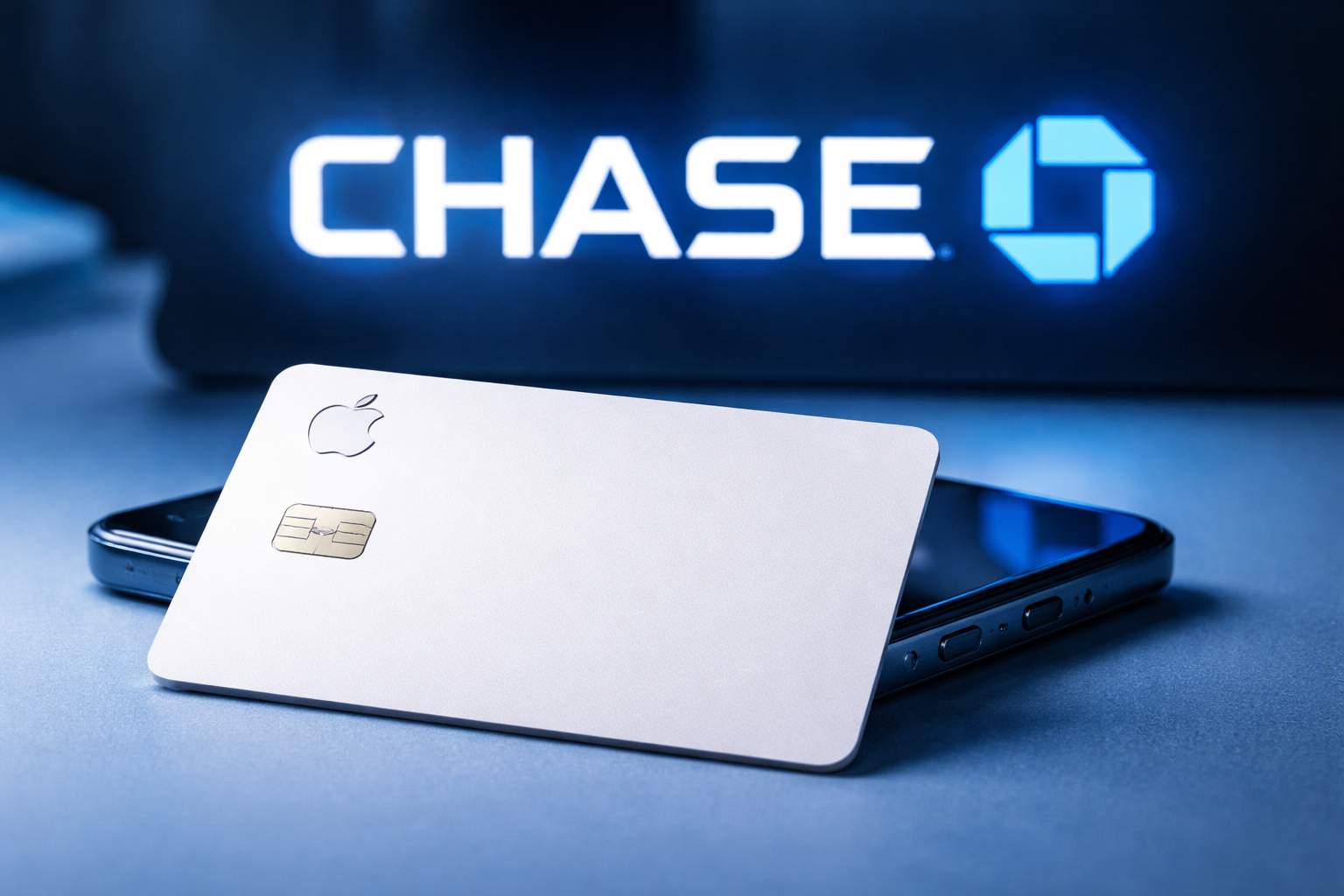
The short version: Apple Card is changing banks, not changing its identity. Goldman Sachs has been the issuing bank since Apple Card launched in 2019, and Apple and JPMorgan Chase have now confirmed that Chase will become the new issuer. The companies say the transition is expected to take about 24 months, and Apple says you can keep using Apple Card normally during that period.
The announcement
On January 7, 2026, Apple and Chase confirmed the issuer change in a joint announcement (Apple Newsroom release), and Chase published the same news on its side (Chase press release). Goldman Sachs separately confirmed the deal, framing it as part of its pullback from consumer banking (Goldman Sachs press release). Apple also stood up a dedicated FAQ that lays out what changes and what doesn’t (Apple Card Issuer Transition FAQ).
Strip out the jargon and it’s three moving parts: Chase becomes the new issuer, Mastercard stays the payment network, and Apple says the Apple Card experience — the Wallet-first way you apply, pay, and track spending — carries on.
What stays the same
Most of what makes Apple Card feel like Apple Card lives with Apple, not the bank — so per Apple’s transition FAQ, this is the part that doesn’t move:
- You keep managing Apple Card in the Wallet app and at card.apple.com.
- You keep earning Daily Cash — Apple reiterates “up to 3% unlimited Daily Cash back on every purchase.”
- Apple Card continues to have no fees: no annual fee, no late fees, and no foreign transaction fees.
- Mastercard remains the payment network, so acceptance and Mastercard benefits continue.
- Apple Card Family stays available for sharing an account through Family Sharing.
- Apple Card Monthly Installments continues as an interest-free way to pay for eligible Apple purchases when selected at checkout.
- Apple’s privacy and security commitments are unchanged.
What actually changes
The “issuer” is the bank that underwrites the account, extends your credit line, and carries the lending risk. That’s the piece moving from Goldman Sachs to JPMorgan Chase. Per Apple’s transition FAQ:
- Your balance’s home: once the transition is complete, Apple says open-account balances will sit with Chase.
- Bank infrastructure: servicing, underwriting, and portfolio management ultimately shift to Chase.
- Credit reporting: Apple says your credit report will update to show Chase as the issuing bank after the transition.
In plain terms: the app you use doesn’t change, but the bank’s name on the back end — and eventually on your credit report — does.
Timeline: when the switch happens
Apple, Chase, and Goldman all point to an expected transition in approximately 24 months from the January 7, 2026 announcement, and all note it’s subject to closing conditions and regulatory approvals. That math lands the handoff somewhere around late 2027 to early 2028. Until then, Apple says you can use Apple Card normally, and Goldman Sachs continues to service Apple Card users through the transition.
If you already have Apple Card
This is the part most people actually care about, and Apple’s answer is reassuringly boring: you don’t have to do anything right now. Per Apple’s transition FAQ:
- No reapplication required for existing users.
- You keep using your existing physical titanium Apple Card during the transition.
- If card numbers or physical cards ever change, Apple says you’ll be told directly closer to the transition date.
- Support stays accessible through Apple Card support in the Wallet app; Goldman Sachs keeps servicing until the transition is complete.
Apple Card basics, for anyone new to it
Apple Card is built around Apple Wallet. You apply in Wallet, use Apple Pay for the best earn rate, and your rewards land as Daily Cash you can spend right away. Per Apple, the Daily Cash structure is still the core of the product:
- 3% Daily Cash on Apple purchases and at select merchants when you pay with Apple Pay.
- 2% Daily Cash on purchases made with Apple Pay.
- 1% Daily Cash when you use the physical titanium card.
Apple markets the card as fee-free — no annual, late, or foreign transaction fees — and built around spending insights inside Wallet, including transaction detail and tools meant to help people stay on top of payments.
Why Goldman is exiting — and why Chase is stepping in
Goldman Sachs confirmed the agreement in its own press release and framed it as completing a broader retreat from consumer banking. Goldman also said the transition is expected to take about 24 months and that it will keep operating the program until then (Goldman Sachs press release).
For Chase, the upside is scale: it picks up one of the largest co-brand card programs in the U.S. Goldman’s release describes a portfolio of roughly $20 billion in Apple Card balances moving to Chase, and JPMorgan has discussed setting aside substantial reserves tied to taking on the loans. The headline figures here come straight from the banks’ own disclosures rather than estimates.
What we still don’t know
Apple has been clear about continuity, but it hasn’t published a “Chase version” of Apple Card terms yet. Until Apple shares final migration details closer to the switch, a few practical questions stay open:
- Whether any rewards details change beyond what Apple has already reaffirmed (Daily Cash, no fees).
- Whether there will be new promotions or limited-time bonuses tied to the transition.
- How Apple Savings is handled long-term under the new issuer relationship — Apple says more details are coming.
- Whether the switch triggers any visible changes in statements, payment processing, or dispute handling.
My take after watching a few of these portfolio handoffs: continuity is genuinely the norm for cardholders, but “more details closer to the date” is the line to keep an eye on. If anything material moves on rewards or fees, it’ll show up in a migration notice from Apple — not before.
FAQs
When does Chase become the issuer of Apple Card?
Apple and Chase are guiding to an expected transition in approximately 24 months from the January 7, 2026 announcement, subject to approvals.
Do I need to apply again if I already have Apple Card?
No. Apple says existing Apple Card users do not need to reapply.
Can I still apply for Apple Card right now?
Yes. Apple says you can apply for Apple Card during the transition period.
Will Apple Card still be a Mastercard?
Yes. Apple and Chase say Mastercard remains the payment network for Apple Card.
Will my physical titanium Apple Card still work?
Yes. Apple says you can keep using your existing physical Apple Card as normal during the transition.
Will my card number or card information change?
Apple says any specifics about card-number changes, if any, will be communicated directly to users as the transition date approaches.
What happens to my existing balance?
Apple says that once the transition is complete, Apple Card balances for open accounts will be with Chase. Until then, you should pay as you do today.
Will Daily Cash change?
Apple says users will continue to earn up to 3% unlimited Daily Cash back on every purchase.
Will Apple Card still have no fees?
Apple says Apple Card will continue to have no fees — no annual fees, no late fees, and no foreign transaction fees.
Who do I contact if I need help with my Apple Card?
Apple says you can contact Apple Card support from the Wallet app or through Apple Support, and that Goldman Sachs will continue servicing users until the transition is complete.
Will this affect my credit report?
Apple says that once the transition takes place, users’ credit reports will update to show Chase as the new issuing bank of Apple Card.
What happens to the Savings account in Wallet?
Apple says users will continue to have access to Savings during the transition and that more information will be shared as the transition date approaches.
Sources
- Apple Newsroom — joint announcement that Chase will become the new issuer of Apple Card (Jan 7, 2026); continuity of Daily Cash, no fees, Mastercard network, and the Wallet experience.
- JPMorgan Chase — Chase press release confirming it will become the new issuer; ~24-month transition subject to approvals.
- Goldman Sachs — press release confirming the agreement to transition the Apple Card program to Chase; ~24-month timeline; ~$20 billion portfolio; Goldman services until the transition completes.
- Apple Card Issuer Transition FAQ — Apple’s official FAQ: no reapplication, keep using the existing card, balances move to Chase at completion, credit reports update to Chase, Savings access continues, details to come closer to the date.