Personalized Card Recommendations

The Cards Guy

7 Travel Cards Offering TSA PreCheck or Global Entry

7 Travel Cards Offering TSA PreCheck or Global Entry Credit

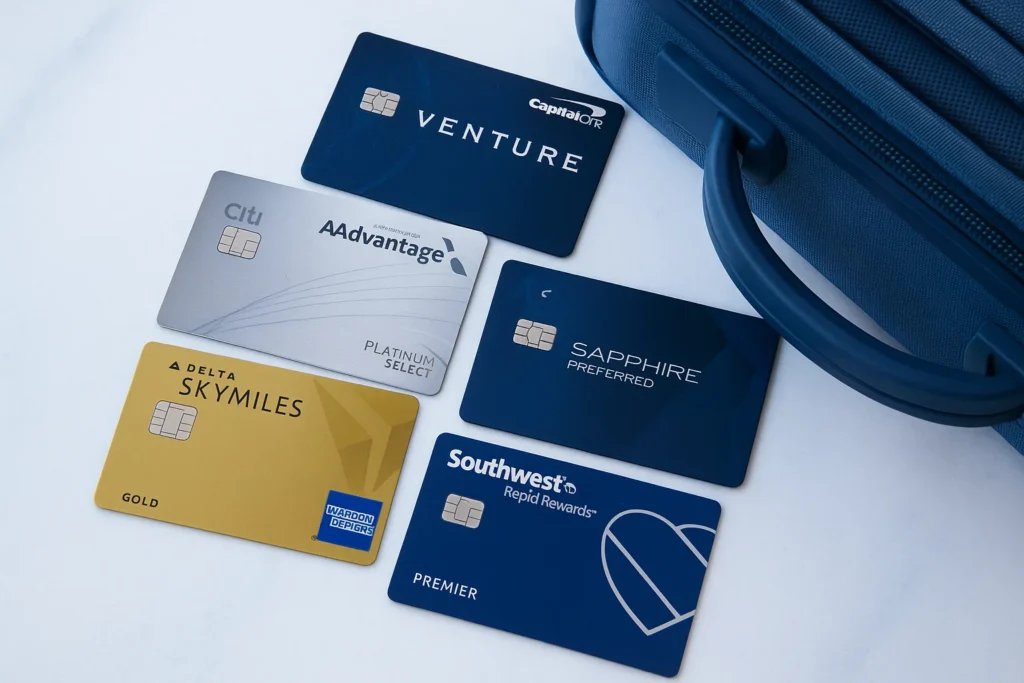
Airport security can be one of the biggest headaches for travelers, whether you’re flying domestically or returning from an international trip. Waiting in long lines, removing shoes, and pulling out laptops or liquids can eat up valuable travel time. Fortunately, many travel credit cards now offer statement credits for TSA PreCheck or Global Entry, helping you save on fees while speeding through airport security. In this guide, we’ll explore 7 top travel credit cards that reimburse your TSA PreCheck or Global Entry fees, the perks each card offers, and tips to decide which program fits your travel style best. What is TSA PreCheck vs. Global Entry? Before diving into the cards, it’s important to understand the difference: TSA PreCheck: Designed for domestic travel security. You get a dedicated line, keep your shoes and belt on, and don’t have to remove laptops or liquids. The fee is $85 for a 5-year membership. Global Entry: Ideal for international travelers. It includes TSA PreCheck benefits and allows faster U.S. re-entry through customs. The application fee is $120 for 5 years. Pro Tip: If you travel internationally frequently, Global Entry is often the better choice because it includes TSA PreCheck automatically. The Platinum Card® from American Express TSA/Global Entry Credit: Up to $100 statement credit every 4–5 years. Annual Fee: $695 (2025) Additional Perks: Airport lounge access, travel insurance, concierge service. The Platinum Card® is perfect for frequent flyers who value luxury and convenience. Beyond TSA PreCheck and Global Entry fee coverage, you get access to Priority Pass lounges worldwide, travel protections, and personalized concierge services. Chase Sapphire Reserve® Credit: Up to $100 statement credit for Global Entry, TSA PreCheck, or NEXUS every four years. Annual Fee: $550 Extra Benefits: 3x points on travel, luxury hotel perks, Priority Pass lounges. Chase Sapphire Reserve® is ideal for travelers seeking high rewards points and smooth airport entry. Combining travel credits with points strategies can maximize your travel rewards. Capital One Venture Rewards Credit Card Credit: Up to $100 TSA PreCheck or Global Entry reimbursement every four years. Annual Fee: $95 Other Perks: 2x miles on all purchases, flexible redemption options. The Venture Rewards card is a strong choice for travelers who prefer a flat-rate rewards program. Miles can be redeemed for flights, hotels, or transferred to partner loyalty programs. Capital One Venture X Rewards Credit Card Credit: TSA PreCheck or Global Entry reimbursement every four years. Annual Fee: $395 Extra Perks: 10,000 bonus miles annually, airport lounge access, travel insurance. For frequent flyers looking for premium perks at a lower annual fee than Amex Platinum, Venture X offers a combination of rewards and convenience, especially for airport security benefits. U.S. Bank Altitude® Connect Visa Signature® Card Credit: Covers TSA PreCheck or Global Entry application once every four years. Annual Fee: $0–$95 depending on version Additional Benefits: Mobile wallet bonus, travel insurance, no foreign transaction fees. This card suits budget-conscious travelers who want expedited airport entry without a high annual fee. A zero or low annual fee makes it perfect for students or travelers just starting to build their rewards portfolio. Delta SkyMiles® Platinum American Express Card Credit: Statement credit for TSA PreCheck or Global Entry every four years. Annual Fee: $250 Other Perks: Delta flight upgrades, Sky Club access, bonus miles. Delta flyers can save on security application fees while enjoying airline-specific perks. Pairing this card with frequent Delta travel maximizes both rewards and travel efficiency. United℠ Explorer Card Credit: Statement credit for TSA PreCheck, Global Entry, or NEXUS every four years. Annual Fee: $0–$95 depending on offers Other Perks: Free checked bag, priority boarding, travel insurance, and bonus miles. United travelers can combine TSA PreCheck or Global Entry benefits with airline-specific rewards to make both domestic and international travel more convenient and cost-effective. How to Choose the Right Card for You Frequency of Travel: Global Entry is better for international travelers, while TSA PreCheck is sufficient for domestic trips. Rewards Preference: Consider whether you prefer airline-specific rewards or flexible travel points. Annual Fee vs. Perks: Higher fees can be justified by premium perks such as lounge access, hotel credits, or concierge services. Application Timing: Some cards allow credits every four years, so plan your TSA PreCheck or Global Entry application accordingly. Maximize Your Travel Experience Using a travel credit card that reimburses TSA PreCheck or Global Entry fees can save money while providing speed, convenience, and peace of mind at the airport. Combining these benefits with rewards points strategies can make your flights more enjoyable and potentially more luxurious. Pro Tip: Pair your credit card benefits with loyalty programs and booking strategies to extract the most value from both miles and travel credits. Final Thoughts Airport security doesn’t have to be stressful. With the right travel card, you can breeze through TSA PreCheck or Global Entry lines while earning points, miles, and other perks that make traveling smarter and easier. Whether you’re a frequent domestic flyer or a jet-setting international traveler, one of these seven cards could simplify your next trip and save you hundreds in application fees. CTA: Ready to speed through airport security and maximize your travel perks? Compare these travel cards today and find the one that best fits your journey!   FAQs Which credit cards offer TSA PreCheck or Global Entry reimbursement? A: Many premium travel cards offer a statement credit for TSA PreCheck or Global Entry application fees. Examples include the Chase Sapphire Reserve®, American Express Platinum®, and Citi® / AAdvantage® Executive Card. How does TSA PreCheck or Global Entry credit work on credit cards? A: Once you pay the application fee with your eligible card, the issuer typically reimburses you up to $100 for Global Entry or $85 for TSA PreCheck. This benefit usually renews every 4–5 years depending on the program. Can I use one credit card for both TSA PreCheck and Global Entry fees? A: Yes, most cards that reimburse Global Entry also cover TSA PreCheck because a Global Entry membership includes TSA PreCheck eligibility. Are

7 Travel Cards Offering TSA PreCheck or Global Entry Credit Read More »
Top 5 Secured Credit Cards to Rebuild Your Credit

Top 5 Secured Credit Cards to Rebuild Your Credit

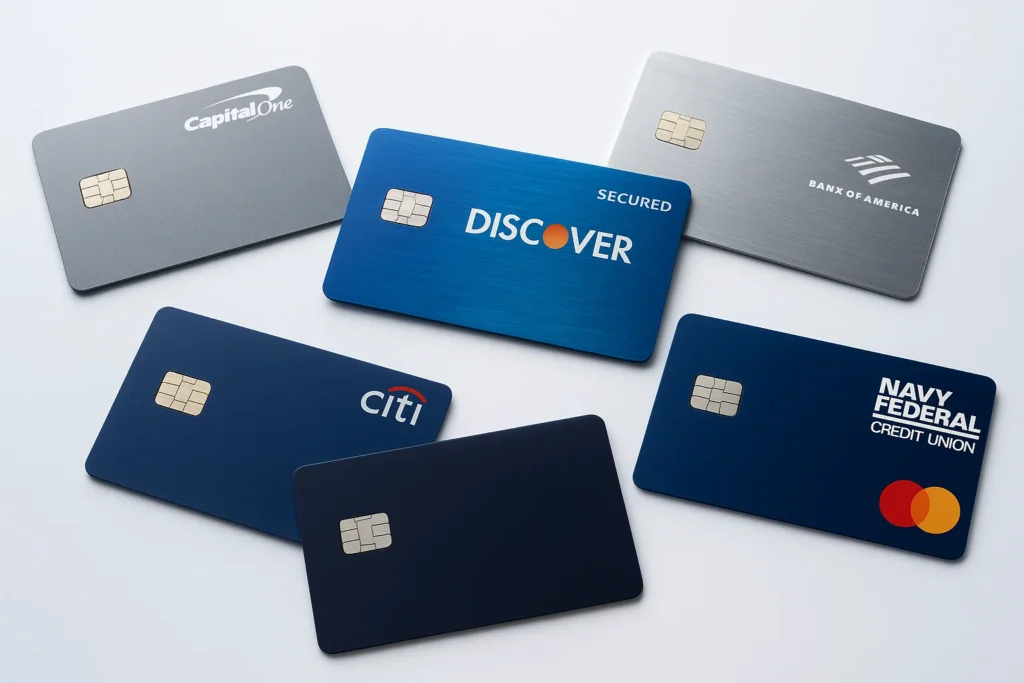
Rebuilding your credit can feel overwhelming, but secured credit cards are one of the easiest and most effective ways to regain financial footing. Unlike unsecured cards, secured credit cards require a refundable security deposit, which usually sets your credit limit. They report to all three major credit bureaus, helping you establish or rebuild a positive credit history. Here, we break down the top 5 secured credit cards for rebuilding credit in 2025, their benefits, and how to make the most of them. Discover it® Secured Credit Card The Discover it® Secured Credit Card is a standout choice for those looking to rebuild credit while earning rewards. Key Features: 2% cash back at gas stations and restaurants on up to $1,000 in combined purchases per quarter Unlimited 1% cash back on all other purchases Cash back matched at the end of the first year Minimum refundable deposit: $200 No annual fee Upgrade path to an unsecured card after 7 months of responsible use This card is ideal for those who want to start earning rewards immediately while rebuilding their credit. Responsible use, like paying your balance in full each month, maximizes the benefit. Capital One Platinum Secured Credit Card If you’re worried about qualifying with low credit, the Capital One Platinum Secured Credit Card is a great option. Key Features: Minimum security deposit: $49, $99, or $200 depending on your creditworthiness No annual or hidden fees Access to your credit score through Capital One CreditWise Potential credit limit increases in as little as six months without additional deposits This card is ideal for those seeking flexibility and the potential to increase their credit line quickly while rebuilding their score. Capital One Quicksilver Secured Cash Rewards Credit Card The Quicksilver Secured Card focuses on simplicity and straightforward cash back rewards. Key Features: 1.5% cash back on all purchases No annual fee Automatic consideration for unsecured upgrade in six months No foreign transaction fees Minimum refundable deposit: $200 This card works well for those who want a clean, flat-rate rewards program while steadily improving their credit history. Self – Credit Builder Account with Secured Visa® Credit Card For individuals starting from scratch or with limited credit history, the Self Credit Builder Card is a unique choice. Key Features: Linked to a Credit Builder Account that builds savings while securing your credit line No credit score required for approval $0 annual fee for the first year, then $25 annually Minimum deposit: $100 The Self card is perfect for those looking to combine saving with credit building. Each month, your payments contribute to your secured credit line and positive reporting to credit bureaus. OpenSky® Plus Secured Visa® Credit Card The OpenSky® Plus Secured Visa® Credit Card removes the barrier of a credit check entirely. Key Features: No credit check required for approval $0 annual fee Refundable deposit starts at $300 Reports to all three major credit bureaus This card is ideal if you’ve struggled with approvals in the past and want a straightforward route to rebuild credit. Important Considerations When Choosing a Secured Credit Card Security Deposits The deposit sets your credit limit and is refundable when you close the account or upgrade to an unsecured card. Make sure the required deposit aligns with your budget. Credit Reporting All the cards listed report to the major credit bureaus. Timely payments and responsible usage are critical to improving your credit score. APR and Fees Some secured cards have higher APRs. Always aim to pay your balance in full each month to avoid interest charges while maximizing credit-building benefits. How to Maximize Your Secured Card Benefits Pay on Time, Every Time: Late payments can harm your credit score instead of helping it. Keep Utilization Low: Aim to use no more than 30% of your credit limit at any time. Monitor Your Credit: Use free tools like CreditWise from Capital One to track your progress. Upgrade When Possible: Transitioning to an unsecured card is a sign of credit improvement and can further boost your score. Final Thoughts Secured credit cards are a proven and practical way to rebuild credit, offering opportunities to earn rewards, monitor your progress, and gradually qualify for better financial products. Whether you choose the Discover it® Secured, Capital One Platinum, or any of the other top options, responsible usage will set you on a path to stronger financial health. Ready to start rebuilding your credit? Compare these secured credit cards and choose the one that fits your goals today. FAQs What is a secured credit card? A secured credit card requires a refundable security deposit that typically becomes your credit limit. It’s designed to help individuals build or rebuild credit by reporting responsible use to all three major credit bureaus. How do secured credit cards help rebuild credit? By making on-time payments and keeping your credit utilization low, secured cards allow positive activity to be reported to credit bureaus, which can improve your credit score over time. What are the best secured credit cards for rebuilding credit? Some top options include: Discover it® Secured Credit Card – Earns cash back, no annual fee, and a path to upgrade to an unsecured card. Capital One Platinum Secured Credit Card – Low minimum deposit, reports to all credit bureaus, and potential credit limit increase. Capital One Quicksilver Secured Cash Rewards Credit Card – 1.5% cash back on purchases and upgrade potential. U.S. Bank Secured Visa® Card – No annual fee and access to monthly TransUnion credit score. Citi® Secured Mastercard® – No annual fee, free FICO® score access online. Can I earn rewards with a secured credit card? Yes, some secured cards offer cash back or points. For example, Discover it® Secured gives 2% cash back at gas stations and restaurants (up to a quarterly limit) and 1% on all other purchases. Do secured credit cards have annual fees? Many top secured cards have no annual fee, but it’s important to check each card’s terms. Some cards may charge fees, so consider whether the benefits

Top 5 Secured Credit Cards to Rebuild Your Credit Read More »

Airport Lounge Access and its Annual Fee

Airport Lounge Access,Is It Worth Paying an Annual Fee?

By Karl from The Cards Guy Is Airport Lounge Access Worth the Annual Fee? Airport lounges are often seen as a luxury perk for travelers, offering peace and comfort away from the crowded terminals. But with annual fees often ranging from $99 to $700, is paying for access really worth it? Let’s break it down. CTA: Ready to experience airport lounges? Discover the best credit cards that offer lounge access and enjoy your next layover in comfort. 1. When Does Lounge Access Justify the Annual Fee? For frequent travelers (about 15+ trips per year), airport lounge access can be a game-changer. Lounges provide comfortable seating, complimentary food, drinks, and Wi-Fi, helping you avoid the typical airport chaos. The value increases if you often have layovers or long waits between flights. CTA: Travel a lot? Check out credit cards that provide unlimited lounge access and enjoy the benefits of comfort and convenience on every trip. But here’s the thing: if you only travel a few times a year, the cost of membership might not be worth it. 2. How Much Does Airport Lounge Access Cost? The cost of airport lounge access can vary widely, and you have a few options: Annual Memberships: Services like Priority Pass or airline-specific lounges can cost anywhere from $99 to $700 annually, depending on your choice of plan and lounge network. Day Passes: If you’re an infrequent traveler, day passes can cost between $25–$75 per visit, giving you access to the lounge for a one-time fee. Credit Cards with Lounge Access: Cards like the Chase Sapphire Reserve and American Express Platinum Card come with high annual fees (around $500–$700), but they also offer extensive lounge access benefits. CTA: Need help deciding? Compare top credit cards with lounge access and find one that fits your travel needs today! 3. Credit Cards Offering Airport Lounge Access There are a number of credit cards that grant you lounge access, and many of them include additional perks like travel credits or bonus points. Here’s a look at a few top choices: Chase Sapphire Reserve: With an annual fee of $550, this card offers access to over 1,300 lounges worldwide, including Priority Pass and Chase lounges. American Express Platinum Card: Offering access to the Centurion Lounges, Delta Sky Club, and Priority Pass, this card comes with a high annual fee but provides an incredible value for frequent travelers. U.S. Bank Altitude® Connect Visa Signature®: At just $95 annually, this card gives you 4 Priority Pass visits each year, making it a good option for those who travel less often. CTA: Explore our detailed reviews of the best travel credit cards that provide airport lounge access! 4. Downsides to Airport Lounge Access While lounges offer a respite from the terminal chaos, not all lounges are created equal: Crowded Lounges: Some lounges, especially during peak travel times, can be overcrowded. It’s a good idea to check the lounge’s quality and availability before you rely on it for a quiet break. Limited Guest Access: Many credit cards that offer lounge access limit the number of guests you can bring. Some may charge extra for additional guests. Not All Lounges Are Created Equal: Some lounges have limited amenities, such as snacks instead of full meals or minimal seating. It’s best to research the specific lounge you’ll be visiting. CTA: Make the most of your lounge experience—check out lounges before you go and see what amenities are available for cardholders. 5. Alternatives to Paying for Lounge Access If you’re not ready to commit to an annual fee, there are a few alternatives: Day Passes: Purchase day passes for $25–$75 depending on the lounge. Credit Cards with Limited Lounge Visits: Many travel credit cards offer a limited number of lounge passes each year, often enough for occasional travelers. Airport Amenities: Some airports offer comfortable seating and free Wi-Fi without the need for a lounge. CTA: Looking for a cost-effective way to enjoy lounges? Check out credit cards with a limited number of free lounge visits per year. 6. Is Lounge Access Worth It for Occasional Travelers? For infrequent travelers, paying for a membership might not be worth it unless you plan to use it for at least 5–10 visits per year. For those flying a few times a year, credit cards with limited lounge passes or day passes might be more suitable, offering access when you need it without the commitment of a full membership. CTA: Not a frequent flyer? Check out credit cards with limited lounge access and decide what’s best for your next trip. FAQs: Airport Lounge Access Is it worth paying for lounge access? If you travel frequently, airport lounge access can provide comfort and convenience, especially during long layovers. For occasional travelers, it might be better to consider day passes or credit cards with lounge access perks. Which credit card has the best lounge access? Top cards for lounge access include the Chase Sapphire Reserve and the American Express Platinum Card. Both provide access to over 1,000 lounges, including Priority Pass and exclusive lounges like Centurion Lounges. Can you use airport lounges without paying the annual fee? Yes. Some credit cards offer limited lounge access each year (such as 2–4 visits), and certain airports provide day passes that allow you to pay for a one-time visit. Are all airport lounges free for cardholders? No. While cards like the American Express Platinum Card offer free access to many lounges, not all lounges are part of every network, and some lounges may charge for certain amenities or guests  How do I get free lounge access with a credit card?  To get free lounge access, look for credit cards that offer it as a benefit, such as the Chase Sapphire            Reserve or American Express Platinum. You’ll usually need to activate your access and, in some cases, register for a lounge program like Priority Pass.

Airport Lounge Access,Is It Worth Paying an Annual Fee? Read More »

​​Best Travel Cards with No Foreign Fees in 2025

Best Travel Cards with No Foreign Transaction Fees in 2025

By Karl from The Cards Guy Traveling abroad can be an exciting adventure, but foreign transaction fees can quickly add up and eat into your budget. Fortunately, there are plenty of travel credit cards that offer the valuable perk of no foreign transaction fees. In this blog, we’ll explore the best cards for 2025 that allow you to spend internationally without worrying about additional charges. Why Choose a Card with No Foreign Transaction Fees? Foreign transaction fees are typically 1% to 3% of each purchase made abroad. This seemingly small amount can accumulate quickly, especially on big-ticket items like hotel stays, car rentals, or flights. By using a travel card that doesn’t charge these fees, you can save yourself up to 3% on every international purchase. CTA: Looking for a travel-friendly credit card? Compare the best cards with no foreign transaction fees and start saving on your next international trip! Top Travel Cards with No Foreign Transaction Fees in 2025 Here are some of the top-rated cards offering no foreign transaction fees in 2025, categorized by their strengths: Best for Travel Rewards: Chase Sapphire Preferred® Card Annual Fee: $95 Earn 2x points on travel and dining and 1x on all other purchases. This card also comes with a 75,000-point bonus after meeting the spending requirement. Plus, enjoy no foreign transaction fees and access to valuable travel perks. Capital One Venture Rewards Credit Card Annual Fee: $95 Earn 2x miles on every purchase and 75,000 miles as a sign-up bonus. It’s perfect for earning rewards on all your purchases while enjoying no foreign transaction fees. American Express® Gold Card Annual Fee: $250 Ideal for foodies, this card offers 4x points on dining and 3x points on flights booked directly or through Amex Travel. No foreign transaction fees make it an excellent choice for those who travel internationally and dine abroad. CTA: Ready to earn rewards while traveling abroad? Compare the best travel cards with no foreign transaction fees and get started today! Best for Budget Travelers: Capital One QuicksilverOne Cash Rewards Credit Card Annual Fee: $39 This card offers 1.5% cash back on every purchase and no foreign transaction fees. Ideal for travelers who want simple, flat-rate rewards without an annual fee that’s too steep. Bank of America® Travel Rewards Credit Card for Students Annual Fee: $0 Great for students traveling abroad, this card offers 1.5x points on every purchase, no annual fee, and no foreign transaction fees. Wells Fargo Autograph℠ Card Annual Fee: $0 This card earns 3x points on travel, dining, and more with no annual fee and no foreign transaction fees. CTA: On a budget? Check out these no-annual-fee credit cards with no foreign transaction fees and start earning rewards on your travels! Best for Premium Perks: Chase Sapphire Reserve® Annual Fee: $795 For the frequent flyer, this card offers 3x points on travel and dining, access to airport lounges, and $300 annual travel credit. It’s packed with luxury travel perks, and of course, it has no foreign transaction fees. The Platinum Card® from American Express Annual Fee: $695 Known for its luxury travel benefits, including 5x points on flights, lounge access, and Global Entry/TSA PreCheck® credits, this card is perfect for those who want the best of both worlds—rewarding travel and premium perks. CTA: Indulge in luxury travel perks! Explore premium credit cards with no foreign transaction fees and enjoy rewards, lounges, and more.   How to Maximize Your Travel Rewards and Save on Foreign Fees When choosing a travel card, consider: Points and Miles: Maximize rewards by using cards that offer bonus categories like dining, travel, or groceries. Annual Fee: While premium cards offer luxurious perks, be sure the rewards outweigh the high fees. Travel Benefits: Some cards offer travel protections, trip cancellation insurance, and airport lounge access. Take advantage of these when booking flights and hotels. CTA: Make the most of your rewards! Compare travel credit cards with no foreign transaction fees and find the best fit for your travel habits. FAQs About Travel Cards with No Foreign Transaction Fees What are foreign transaction fees? Foreign transaction fees are charges applied when you use your credit card abroad, usually around 3% of the purchase amount. Which card is best for international travel with no foreign transaction fees? Some of the best cards include the Chase Sapphire Preferred® Card, Capital One Venture Rewards Credit Card, and American Express® Gold Card. Are there travel cards with no foreign transaction fees and no annual fee? Yes! Cards like the Capital One QuicksilverOne Cash Rewards Credit Card and the Bank of America® Travel Rewards Credit Card for Students offer no foreign transaction fees and no annual fees. Can I use a card with no foreign transaction fees at any international merchant? Yes, but make sure your card is widely accepted. Cards from Visa and Mastercard have broad international acceptance. Are there any other travel benefits with these cards? Many of these cards offer sign-up bonuses, travel credits, airport lounge access, and trip insurance. Be sure to check the specifics of each card to maximize the benefits. CTA: Still unsure which card is right for you? Compare the best travel cards with no foreign transaction fees and start saving on your next international trip!

Best Travel Cards with No Foreign Transaction Fees in 2025 Read More »

Amex Gold Travel Credit

Amex Gold Travel Credit: How It Works and How to Max It Out

By Karl from The Cards Guy The American Express Gold Card may not offer a traditional “travel credit” like some of the higher-tier Amex cards, but it has an array of valuable travel perks that can help you make the most of your adventures. In this post, we’ll break down how the Amex Gold Card works, highlight its unique travel benefits, and share tips on how to max them out to get the most value from your card.   Understanding the Amex Gold Card’s Travel Benefits Unlike premium cards like the Amex Platinum, the Amex Gold Card provides targeted travel perks that cater to specific needs rather than a general travel credit. Here’s what you can expect: Hotel Collection Credit When you book at least two consecutive nights at a participating hotel via AmexTravel.com, you’ll receive a $100 hotel credit for eligible charges, along with room upgrades (subject to availability), early check-in (12:00 p.m.), and late checkout. The credit can be used for eligible charges like dining and spa services. CTA: Ready to relax with perks like room upgrades and dining credits? Book your next stay with Amex Gold and enjoy these incredible travel benefits! Maximizing the $100 Hotel Credit Strategic Booking: The $100 credit can be significant, but it’s essential to check if the hotel rates are competitive even with the added credit. Sometimes, the rates at Amex’s partner hotels might be slightly higher, but the perks (especially the upgrades and flexible check-in/check-out) may justify the cost. Focus on Eligible Charges: Make sure to inquire about what qualifies as eligible charges for the credit—this usually includes dining, spa services, or hotel amenities. Not all charges at the hotel will qualify, so check ahead. Consider Off-Peak Times: One pro tip for maximizing your upgrade and perks is to book during off-peak times. For example, weekdays in cities like Las Vegas may offer more availability for suite upgrades. CTA: Book a stay at one of the Hotel Collection properties and use your $100 credit for an even more luxurious experience! Earning Points on Travel Purchases The Amex Gold Card also offers strong rewards for travel-related purchases: 3 Membership Rewards Points for every dollar spent on flights booked directly with airlines or through AmexTravel.com. 2 Membership Rewards Points for every dollar spent on prepaid hotels and eligible travel booked through AmexTravel.com. Maximizing Tip: To maximize your points, always prioritize booking flights directly with airlines or through AmexTravel.com. This allows you to earn the higher points rate of 3x on flights, which is a fantastic way to rack up rewards for your travel expenses. CTA: Want to earn more points for your travel? Book your next flight directly with airlines or via AmexTravel and start racking up rewards today! Other Key Travel Perks While the Amex Gold Card doesn’t offer a blanket travel credit, it provides several additional perks that can enhance your travel experience: Baggage Insurance: If you charge your entire fare to your Amex Gold Card, you’ll be covered for lost, damaged, or stolen baggage, up to $1,250 for carry-on and $500 for checked baggage. Travel Protection (UK Specific): For those in the UK, Amex Gold offers benefits like £200 for flight delays and £200 for delayed baggage. CTA: Traveling soon? Make sure you’re covered with Amex Gold’s baggage and travel protections. Apply for your card today! No Foreign Transaction Fees One of the standout features of the Amex Gold Card is that it has no foreign transaction fees, which makes it a great option for international travel. Many other cards charge 1%-3% on foreign transactions, but with the Gold Card, you can avoid these additional costs. CTA: Say goodbye to foreign transaction fees on your travels! Use the Amex Gold Card on your next international trip and save more. How to Max Out Amex Gold Card Travel Benefits To make the most of your Amex Gold Card travel perks, follow these steps: Book with Amex Travel: Use the Amex Travel portal to book flights, hotels, and car rentals. This earns you 3 points per dollar on flights and 2 points on prepaid hotels. Leverage the Hotel Collection: Book two-night stays at participating hotels to unlock the $100 credit, room upgrades, early check-in, and late checkout. Make Use of Dining Credits: Take advantage of the $10 monthly credit at Grubhub, Goldbelly, and other dining platforms to offset food costs. Use Your Uber Cash: Add your Amex Gold Card to Uber for $10 per month in Uber Cash, which can be used for Uber rides and Uber Eats orders. CTA: Maximize your Amex Gold Card’s travel rewards and perks with these tips! Apply now and start making your travels more rewarding. FAQs About the Amex Gold Travel Credit Does the Amex Gold Card have a general travel credit? No, the Amex Gold Card doesn’t offer a standard travel credit like the Amex Platinum Card. However, it offers a variety of targeted travel benefits, such as the $100 hotel credit for stays at the Hotel Collection. Can I use the Amex Gold Card for international travel? Yes, the Amex Gold Card has no foreign transaction fees, making it a great choice for international spending. What benefits do I get from booking through Amex Travel? Booking through Amex Travel earns you 3 points per dollar on flights and 2 points on prepaid hotels, plus access to the Hotel Collection perks like room upgrades and dining credits. How do I maximize the $100 Hotel Credit? Make sure to book at least two consecutive nights at a participating hotel through AmexTravel.com, and use the credit for eligible charges like dining or spa services. CTA: Still have questions? Apply for the Amex Gold Card today to start enjoying its unique travel benefits and more!

Amex Gold Travel Credit: How It Works and How to Max It Out Read More »

Airline Credit Card Comparison: Delta vs. United

Delta SkyMiles® Platinum vs. United℠ Explorer: Which Travel Credit Card Wins in 2025?

When it comes to the best airline credit cards of 2025, two popular contenders dominate the conversation: the Delta SkyMiles® Platinum American Express Card and the United℠ Explorer Card. Whether you’re chasing elite status, looking for free checked bags, or trying to earn miles faster, both cards offer compelling value—but each serves a different type of traveler. Let’s break down the benefits, drawbacks, and best use cases for each card to help you choose the one that matches your 2025 travel goals. Welcome Bonus: 60,000 Miles from Either Card Delta SkyMiles® Platinum: Earn 60,000 miles after spending $3,000 in the first 6 months. United Explorer: Earn 60,000 miles after spending $3,000 in the first 3 months. Verdict: While the bonuses are the same, United’s faster spending window benefits short‑term planners. Annual Fee Comparison: Budget vs. Premium Delta SkyMiles® Platinum: $350 United Explorer: $0 intro for the first year, then $150 Verdict: The United Explorer Card wins for those seeking a lower annual fee with decent perks. Delta’s higher fee is best justified if you fly Delta often and can maximize the extra benefits. Checked Bags and Boarding Perks Delta: Free first checked bag for you + up to 8 companions; Zone 5 priority boarding United: Free checked bag for you + 1 companion; Group 2 boarding Verdict: Delta wins for families and larger groups. If you travel solo or with one partner, both cards are effective—but Delta offers more value to group travelers. Companion Certificate vs. Lounge Access Delta SkyMiles® Platinum: Annual companion certificate for main cabin domestic flights United Explorer: Two United Club lounge passes per year Verdict: This depends on your travel style: If you often fly with another person, Delta’s companion pass may be more valuable. For airport comfort, United’s lounge passes offer a great perk. Travel Perks: TSA PreCheck, In-Flight Discounts, and More Both cards offer a $100 credit for Global Entry or TSA PreCheck. Delta: 20% off in‑flight purchases United: 25% off in‑flight purchases Verdict: United offers a stronger in‑flight savings while matching the Delta card’s security credit. Rewards Earning Potential in 2025 Delta SkyMiles® Platinum: 3× miles on Delta purchases and hotels; 2× on restaurants and U.S. supermarkets; 1× elsewhere. United Explorer: 2× on United purchases, dining, and hotels; 1× elsewhere. Verdict: Delta wins for everyday spend bonus categories—perfect for frequent restaurant and grocery spenders. Airline Networks: SkyTeam vs. Star Alliance Delta is part of SkyTeam (19 airlines, ~1,050 destinations). United belongs to Star Alliance, the world’s largest network (26 airlines, 1,200+ airports). Verdict: United offers more international coverage and partner redemption opportunities. Loyalty Programs: SkyMiles vs. MileagePlus United MileagePlus: 5–11× miles per $1 (based on status); Excursionist Perk; PQF/PQP path to status. Delta SkyMiles: 5–11× miles per $1 (Medallion status); dynamic pricing; MQD-only status model. Verdict: United gives more flexible elite status paths and easier redemption options. Lounge Access: Who Offers More? United Explorer: Two United Club passes per year Delta SkyMiles® Platinum: No lounge access without upgrading to the Reserve card Verdict: United wins for casual lounge access without a higher-priced upgrade. Best for Each Type of Traveler Delta SkyMiles® Platinum if you travel often with family/groups, want grocery and dining bonuses, and will use the companion pass or aim for Medallion status. United℠ Explorer if you prefer a lower fee, travel solo or internationally, value lounge access, or want a simpler path to elite status. Final Verdict: Which Card Wins in 2025? There’s no universal winner—only the best card for your travel habits. Delta SkyMiles® Platinum excels for group travel and everyday spend rewards, while United Explorer edges ahead for international access, affordable perks, and elite status opportunities. Frequently Asked Questions (FAQ) What is the best airline credit card for international travel in 2025? The United℠ Explorer Card may be the better pick due to its Star Alliance membership and global reach. Is the Delta SkyMiles® Platinum Card worth the $350 annual fee? Yes—if you regularly fly Delta, use the companion certificate, and make use of its everyday spending bonuses. Do both cards offer TSA PreCheck/Global Entry credits? Yes. Each card includes up to $100 in reimbursement every 4–5 years for TSA PreCheck or Global Entry. Which card offers better mile-earning potential? Delta offers broader bonus categories (3× on Delta/hotels, 2× on dining/groceries), so frequent spenders in those areas will earn miles faster. Can I get lounge access with either card? Only the United Explorer includes two United Club passes annually. Delta’s card requires upgrading to the Reserve tier for lounge benefits. Which card is better for status? United’s mix of PQPs and PQFs makes elite status easier to earn. Delta relies on MQDs, which may require higher spending unless upgraded. Need Help Choosing the Right Airline Credit Card? Not sure which card fits your travel style or financial goals? That’s where The Cards Guy comes in. Get customized, no-pressure recommendations based on your travel habits and lifestyle. Reach out here for a free card match! Fly smarter. Earn faster. Save more—with The Cards Guy on your side.  

Delta SkyMiles® Platinum vs. United℠ Explorer: Which Travel Credit Card Wins in 2025? Read More »

Best Family Travel Cards With Free Checked Bags

5 Best Family-Friendly Travel Credit Cards That Offer Free Checked Bags (2025)

Traveling as a family is an unforgettable experience—but the extra costs can pile up quickly. With checked bag fees averaging $35–$40 per person each way, a family of four can spend nearly $300 round-trip just on luggage. Fortunately, several travel credit cards now offer free checked bags for both the cardholder and companions, making family travel more affordable and less stressful. Here are the top 5 family-friendly travel credit cards of 2025 that help you avoid baggage fees and unlock valuable travel perks. 1. Delta SkyMiles® Gold American Express Card Best for: Families who fly Delta often Free checked bag: For you and up to 8 companions Welcome bonus: 50,000 miles after spending $2,000 in 6 months Annual fee: $0 intro for the first year, then $150 Perks: Zone 5 priority boarding 20% off in-flight purchases 15% off Delta award bookings (using SkyMiles) No foreign transaction fees ✅ Why it’s great for families: Covers up to 9 travelers—perfect for large families or multi-generational trips. 📌 Note: Your SkyMiles number must be attached to your reservation to receive the checked bag benefit. 2. Southwest Rapid Rewards® Priority Credit Card Best for: Domestic family travel with no surprises Free checked bag: 2 free bags per person (Southwest policy) Welcome bonus: 75,000 points after qualifying spend Annual fee: $229 Perks: $75 annual Southwest travel credit 4 upgraded boardings per year 7,500 points every card anniversary Helps earn Companion Pass® ✅ Why it’s great for families: Bags-fly-free policy applies to everyone on your itinerary. 🚨 Update: Southwest will begin charging for bags on bookings made after May 28, 2025. This card will protect your perks. 3. United℠ Explorer Card Best for: United loyalists with 1–2 travel companions Free checked bag: For you and 1 companion Welcome bonus: 60,000 miles after $3,000 spend in 3 months Annual fee: $0 intro for the first year, then $150 Perks: 2 United Club passes annually Priority boarding Global Entry/TSA PreCheck credit 25% back on in-flight purchases ✅ Why it’s great for families: Useful for couples or smaller families. Lounge access adds comfort. 📌 Tip: You must use the card to book the flight and attach your MileagePlus number. 4. Citi® / AAdvantage® Executive World Elite Mastercard® Best for: Large families flying American Airlines Free checked bag: For you and up to 8 companions Welcome bonus: 100,000 miles after $10,000 in 3 months Annual fee: $595 Perks: Admirals Club® access Priority check-in, security, and boarding $100 Global Entry/TSA PreCheck credit 10,000 Loyalty Points boost annually ✅ Why it’s great for families: Ideal for large families or frequent AA travelers who want top-tier perks. 5. Alaska Airlines Visa Signature® Credit Card Best for: West Coast families and Hawaii travelers Free checked bag: For you and up to 6 companions Welcome bonus: 70,000 miles + Companion Fare after $3,000 in 3 months Annual fee: $95 Perks: Famous Alaska Companion Fare 3x on Alaska purchases Discounts on inflight purchases and Wi-Fi ✅ Why it’s great for families: Strong value with wide coverage and companion savings. 📌 Note: You must use your Alaska card to purchase the ticket to qualify. Frequently Asked Questions (FAQ) Do I need to use the credit card to book the flight to get free checked bags? Yes—for some airlines, you must use the card to book the ticket. Others only require a linked loyalty number. Can I get free bags on award flights? Yes, typically. If you use the card to pay taxes and fees, benefits still apply. Will this benefit apply to international travel? Often yes, but check your airline’s terms for international or codeshare limitations. Does this stack with elite status or business class? No. These benefits don’t stack with those already included in your fare or elite status. Which card offers the best free bag benefit for families? Delta and Southwest stand out. Both cover up to 8 companions, perfect for large groups. Still Not Sure Which Travel Card Fits Your Family? The Cards Guy offers free, personalized guidance to help you find the best credit card based on your travel habits, family size, and budget. 👉 Contact us here for a custom recommendation or take our 1-minute quiz. Travel smart. Pack free. Save big—with The Cards Guy on your side.

5 Best Family-Friendly Travel Credit Cards That Offer Free Checked Bags (2025) Read More »

Redeem Points for Flights with Maximum Value

How to Redeem Points for Flights with Maximum Value, Expert Strategies and Tips

When it comes to using your hard-earned points for flights, you want to ensure you’re getting the maximum value. By following these expert tips, you can stretch your points further and book flights that might otherwise be out of your budget. Here’s how to redeem your points for flights with the highest return on value. Transfer Points to Airline Partners for Higher Redemption Value One of the most powerful strategies to maximize the value of your points is transferring them to airline partners. Airline partnerships often provide better value than booking through the credit card travel portal. Many programs allow 1:1 point transfers, which means each point you transfer equals one point in the airline’s frequent flyer program. Example: Chase Ultimate Rewards points can be transferred to airlines like United Airlines, Singapore Airlines, or Hyatt. American Express Membership Rewards can be transferred to airlines like Delta Air Lines, ANA, or British Airways. Tip: Always check for transfer bonuses, as airlines occasionally offer promotions where you can get more miles for the same number of points.   Book Premium Cabin Flights for Maximum Value Premium cabin flights (business or first class) generally offer the best redemption value for your points. The value of points used for premium cabins is often significantly higher than for economy flights, especially on long-haul international routes. Example: A business class flight to Europe could cost you thousands of dollars in cash, but you might be able to book it with points for a fraction of that amount. Tip: When booking international flights, especially in premium cabins, try flying on off-peak days or during seasonal sales to save even more points. Be Flexible with Travel Dates and Destinations Flexibility is key to getting the most value out of your points. If your travel dates and destinations are flexible, you can often find better redemptions. Tip: Travel off-season: Flights during off-peak periods typically cost fewer points. Alternative airports: Consider flying into nearby airports to find cheaper flights, both in terms of miles and cash. Combine Points with Cash for Better Flexibility Some programs allow you to combine points and cash to pay for a flight. This can be useful if you don’t have enough points to cover the entire cost or if you want to save a few points while reducing the out-of-pocket expense. Tip: Always check if partial redemptions are available for flights that may not be 100% covered by your points. Know How to Calculate Point Value in Cents Per Point To determine if you’re getting good value from your points, calculate the cents per point. This will help you figure out whether a redemption is worth it. Example: If a flight costs 50,000 points and is valued at $500, that’s 1 cent per point. A 2 cents per point redemption is generally considered a good value. Leverage Airline Alliances for More Options Airline alliances like Star Alliance, SkyTeam, and Oneworld allow you to use miles from one airline to book flights on a partner airline, greatly expanding your options. Example: If you have United Airlines miles (part of Star Alliance), you can use those miles to book flights on Singapore Airlines, Lufthansa, and other partner airlines. Use Award Travel Booking Tools and Resources Several tools and websites can help you find the best value for your points. Tools like AwardWallet, Point.me, and ExpertFlyer track award seat availability and help you find points transfers, bonuses, and special offers. Tip: Use these tools regularly to monitor your options and stay ahead of point devaluation or upcoming promotions. Consider Booking Round-Trip or Multi-City Flights In some cases, booking round-trip or multi-city flights may offer better redemption value than one-way tickets. Additionally, booking longer flights or multi-leg journeys can yield better value for points. Tip: When booking international flights, especially multi-leg trips, consider how many stops you can fit into your itinerary without increasing the points cost significantly. Monitor Your Points Expiry Some programs have expiry dates for points, meaning your miles may expire after a period of inactivity. It’s crucial to stay on top of expiration dates to avoid losing your hard-earned points. Tip: Set reminders for yourself or check your loyalty account frequently to keep your points from expiring. Conclusion: Redeem Points Like a Pro By following these strategies, you can unlock the true value of your points and book flights that offer incredible savings. Whether you’re looking to book premium cabins, travel during off-peak times, or transfer points to airline partners, the possibilities are endless. Get the most out of your rewards and start booking your dream flights today.

How to Redeem Points for Flights with Maximum Value, Expert Strategies and Tips Read More »

Maximize Your Card’s Travel Insurance Benefits

How to Use Your Credit Card’s Travel Insurance Like a Pro

Booking flights and hotels with your credit card might feel routine—but it could also be your secret weapon for saving thousands during travel hiccups. From trip delays and lost luggage to emergency medical coverage abroad, the travel insurance benefits baked into your credit card can offer serious peace of mind—if you know how to use them. This guide breaks down the most common types of credit card travel insurance, how they work, and how to maximize your coverage like a pro. What Types of Travel Insurance Do Credit Cards Offer? Most premium and travel-focused credit cards offer built-in insurance when you use the card to pay for eligible travel. Here’s a quick breakdown: 1. Trip Cancellation & Interruption Insurance Reimburses you if your trip is canceled or cut short due to illness, injury, severe weather, or other covered events. Example: Chase Sapphire Preferred® and Reserve® offer up to $10,000 per person, per trip. Pro Tip: Save documentation—doctor’s notes, airline notifications, etc.—for a successful claim. 2. Trip Delay Reimbursement Covers expenses like meals, hotels, and toiletries if your flight is delayed by a set number of hours. Typical coverage: Up to $500 per ticket after a delay of 6–12 hours, depending on the card. Cards with this perk: Chase Sapphire Reserve®, Capital One Venture X®, Amex Platinum (with enrollment). 3. Lost or Delayed Baggage Coverage Reimburses you for lost or delayed bags—often up to $3,000 in coverage. Use Case: If your luggage arrives two days late and you need to buy clothes or toiletries, you may be reimbursed. 4. Rental Car Insurance (CDW/LDW) Covers theft or damage to your rental car. Many cards offer primary coverage, which means you don’t have to file with your auto insurance first. Best cards for this: Chase Sapphire Reserve®, Chase Sapphire Preferred®, Capital One Venture® cards. 5. Emergency Medical & Evacuation Some premium cards cover medical expenses or evacuations abroad—a major bonus if your health insurance doesn’t cover you overseas. Example: Amex Platinum and Business Platinum offer up to $250,000 in emergency evacuation benefits (enrollment required). Note: Coverage varies greatly—many cards don’t offer this at all. How to Actually Use Your Travel Insurance Benefit Most travelers have no idea what their card covers—until it’s too late. Here’s how to be proactive: ✅ Step 1: Use the Right Card for Booking You typically must pay for the full cost of your trip (or taxes/fees on award tickets) with the card offering coverage. Example: Booking with points? You still need to pay the taxes/fees with the card to qualify. ✅ Step 2: Register or Enroll (If Needed) Some cards, especially Amex, require enrollment in travel insurance or trip delay coverage before departure. ✅ Step 3: Keep Documentation Always save receipts, boarding passes, cancellation notices, doctor’s letters, and police reports (for theft). Most issuers have strict documentation requirements for claims. ✅ Step 4: File Claims Promptly Each issuer has a deadline—typically 20–90 days—after the incident to submit a claim. Pro Tips to Maximize Your Credit Card Travel Insurance 📱 Screenshot your coverage benefits before the trip. 📞 Call your card issuer before filing to understand exactly what’s covered. 📝 Compare benefits before booking—some cards are better for flights, others for car rentals or medical. ✈️ Split bookings smartly: Use the card with the best benefit for flights, and another for hotel if needed. Best Travel Credit Cards With Strong Insurance Coverage Card Name Top Travel Insurance Perks Annual Fee Chase Sapphire Reserve® Trip delay, trip cancellation, rental car CDW, baggage, medical $550 Chase Sapphire Preferred® Strong core coverage (cancellation, delay, baggage) $95 Capital One Venture X® Trip delay, rental car coverage, purchase protection $395 The Platinum Card® from Amex Trip delay (with enrollment), evacuation, purchase protection $695 U.S. Bank Altitude Reserve® Trip delay, baggage, CDW rental, mobile phone protection $400 FAQ: Travel Insurance & Credit Cards Do I have to book the full trip with the card to get coverage? Usually, yes. Some cards allow partial coverage if taxes/fees are paid with the card. Can I get reimbursed for delays due to weather or strikes? Yes—most trip delay and cancellation policies cover weather, airline strikes, and mechanical issues. Does my card cover travel insurance internationally? Most premium cards offer global coverage, but always double-check your specific benefits guide. What if I booked using points or miles? If you used your card to pay taxes and fees, many cards still offer full coverage. Can I use two cards for different parts of the trip? Yes! Just know which card covers what—and make sure to use it for that specific part (e.g., flights vs. hotels). Need Help Choosing the Right Travel Card for Your Lifestyle? Not all credit card insurance is created equal—and choosing the wrong one could leave you stranded without coverage. That’s where The Cards Guy steps in. 🎯 Want personalized guidance based on how you travel? 👉 Reach out here and get matched with the right credit card for your needs—free of charge. Protect your trip. Save your wallet. Travel smarter with The Cards Guy.

How to Use Your Credit Card’s Travel Insurance Like a Pro Read More »

Best Travel Card for Digital Nomads in 2025

Why the Chase Sapphire Preferred Is the #1 Choice for Digital Nomads

When you’re living life on the road, your credit card isn’t just a payment method—it’s your travel partner. For digital nomads seeking a low-annual-fee travel card with premium perks, the Chase Sapphire Preferred® Card consistently stands out. It’s not only beginner-friendly, but also packed with benefits tailored to location-independent professionals. Travel Perks That Fit the Digital Nomad Lifestyle Unlike standard travel credit cards, the Sapphire Preferred offers robust travel protections that provide peace of mind—especially when your home changes with every new country. Trip Cancellation/Interruption Insurance Reimburses non-refundable expenses when unexpected events force you to cancel or cut your trip short. Trip Delay Reimbursement Covers meals and lodging if your flight is delayed more than 12 hours. Primary Auto Rental Coverage A major perk if you frequently rent cars abroad—it saves you from buying the rental company’s insurance. Baggage Delay Coverage Reimburses you for essentials if your checked luggage is delayed for over 6 hours. Rewards That Go Further with Travel Partners Chase Ultimate Rewards® points are some of the most valuable in the game—and here’s why they work perfectly for digital nomads: 2x Points on Travel and Dining From Airbnb to street food stalls, earn rewards on your everyday lifestyle. 25% More Value with Chase Travel℠ Your points are worth 25% more when you book flights, hotels, and experiences through the Chase Travel portal. 1:1 Transfers to Leading Travel Partners Transfer points to United, Southwest, Hyatt, Marriott, and more for international travel hacking and premium redemptions. No Foreign Transaction Fees, Ever One of the biggest drawbacks of many cards is hidden fees while abroad. The Sapphire Preferred has $0 foreign transaction fees, which means no extra charges when paying for coworking spaces in Bali or train rides in Europe. Big Welcome Bonus and Low Annual Fee Current offer: Earn 60,000 bonus points after spending $4,000 in the first 3 months. That’s worth up to $750 in travel when redeemed through Chase Travel℠. All this with an annual fee of just $95—a steal compared to premium travel cards. Additional Lifestyle Benefits for Remote Workers This card also offers remote-friendly perks like a $50 annual hotel credit (when booking through Chase Travel℠), complimentary DashPass & Instacart+ subscriptions, and strong customer support—key for resolving issues while abroad. Why the Chase Sapphire Preferred Beats Other Travel Cards for Nomads While other cards offer luxury perks (e.g., Amex Platinum or Chase Sapphire Reserve), those often come with hefty annual fees ($395–$695). The Preferred card hits a sweet spot: generous travel benefits and rewards without the premium price tag. Need Help Choosing the Right Card? At The Cards Guy, we help digital nomads and remote workers find the perfect card setup for their lifestyle. Whether you’re just starting out or you’re a seasoned traveler, our team can guide you toward the right tools to earn more, travel smarter, and save big. 👉 Talk to a credit card expert today → Frequently Asked Questions Is the Chase Sapphire Preferred good for international travel? Yes! With no foreign transaction fees, worldwide travel protections, and flexible point transfers, it’s ideal for frequent international travelers. What’s the difference between the Sapphire Preferred and Reserve? The Reserve offers higher rewards and more perks, but comes with a $550 annual fee. The Preferred is better for budget-conscious travelers who still want premium value. Can I get approved as a digital nomad? If you have a U.S. address, SSN, and solid credit history, yes! Many nomads apply with a friend or family member’s U.S. address while traveling. How much is 60,000 Chase points worth? When redeemed through Chase Travel℠, 60,000 points = $750 in travel. Transfer to partners and you may get even more value! Final Thoughts: Travel Smarter with the Chase Sapphire Preferred For digital nomads who need flexibility, rewards, and protection without a massive annual fee, the Chase Sapphire Preferred is a clear winner. Whether you’re booking flights, renting cars, or living abroad, it delivers big value with minimal hassle. Ready to apply or explore more options tailored for digital nomads? Visit The Cards Guy and get personal guidance to find the card that fits your journey.

Why the Chase Sapphire Preferred Is the #1 Choice for Digital Nomads Read More »