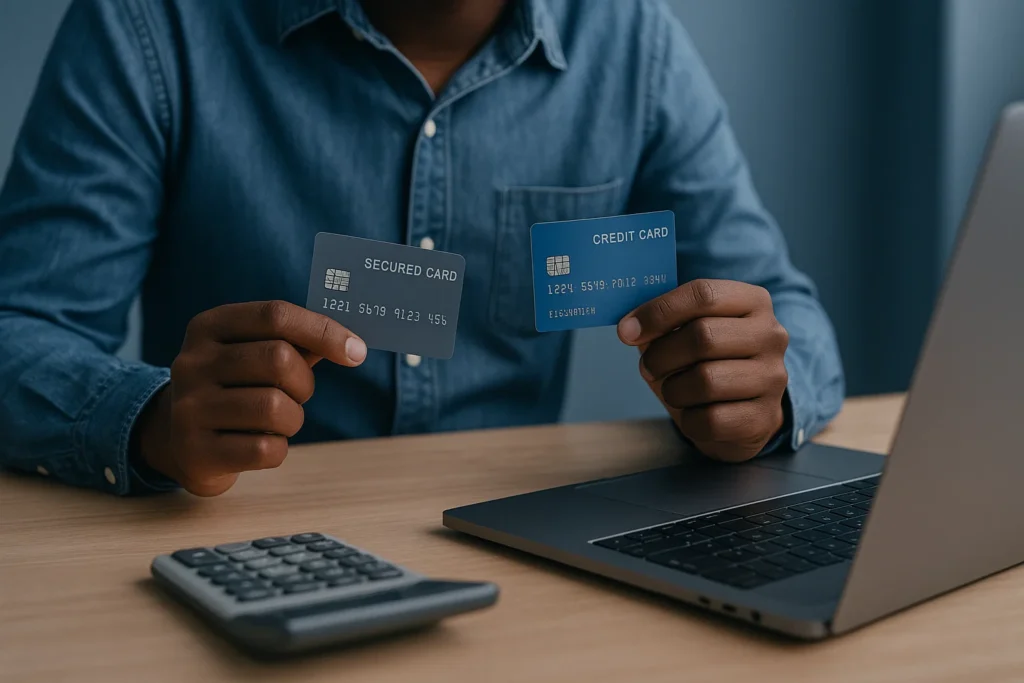
How to Upgrade from a Secured to an Unsecured Credit Card
Graduating from a secured to an unsecured credit card is one of the clearest signals that your rebuild is working. The deposit comes back, the credit line usually stays (or grows), and you stop being tied to a card whose terms were designed for higher-risk applicants. The trick is knowing when to push for the upgrade — and which issuers do it on their own schedule versus yours. Demonstrate Responsible Credit Behavior Before any issuer will graduate you, they want to see six to twelve months of consistent, low-risk behavior on the secured account. The non-negotiables: Every payment on time, every cycle. A single 30-day late mark resets the clock. Reported utilization below 30% — ideally below 10%. Mid-cycle payments are your friend. No bounced auto-payments or returned items. Issuers see those internally even when the bureaus don’t. No requests for credit-line increases in the first 6 months. Asking too early signals impatience. Benefits of Upgrading from a Secured to an Unsecured Card Beyond getting your deposit back, an unsecured upgrade typically means a higher credit limit, the chance to earn rewards on a card that previously didn’t offer them, and — most importantly — a stronger profile when you apply for your next product. Many issuers convert in place, which means you keep the original account-opening date and continue building your length-of-history metric. Check Your Eligibility for an Upgrade Different issuers handle upgrades very differently. Some auto-review your account. Others require you to call. A few never upgrade secured cards at all — they graduate you by inviting you to apply for a separate unsecured product. Before you push, know which type you have. If you’re unsure whether your current score qualifies you for an upgrade or a fresh unsecured application, our breakdown of credit score requirements for secured cards covers what each issuer typically wants to see. Issuer-by-Issuer Upgrade Timeline The most common secured cards and how they handle graduation: Issuer / Card Graduation policy Typical timeline Discover It Secured Automatic monthly account review starting around month seven ~7 months for qualifying accounts Capital One Platinum Secured Account review at the six-month mark; some accounts graduate, others get a credit-line increase 6–12 months Bank of America Customized Cash Secured Periodic automatic reviews; graduation generally considered around the 12-month mark ~12 months Citi Secured Mastercard Reviewed periodically; Citi historically transitions qualifying secured accounts to an unsecured product 12–18 months Self Visa (Credit Builder) Eligibility for the Self Visa depends on the Credit Builder Account; no traditional secured-to-unsecured upgrade — separate product invitations Variable The timelines above are the publicly documented norms. Your actual mileage depends on your full credit profile, not just secured-account behavior — income changes, new derogatory marks elsewhere, and total debt load all factor in. Monitor Your Credit Regularly You’re entitled to free weekly reports from all three bureaus at AnnualCreditReport.com. Many issuers also offer free FICO or VantageScore tracking inside their app. Use both. Bureau reports show you what lenders see; issuer-app scores show you trend lines week to week. If your score has lifted into the upper 600s and your secured card has been clean for six-plus months, you’re inside the eligibility window for most upgrades and for a separate unsecured application. Explore Other Options If Needed If your current issuer won’t graduate you on a reasonable timeline — or doesn’t graduate at all — you don’t have to wait forever. Two reasonable alternatives: Apply for a separate unsecured starter card at a different issuer. Capital One Quicksilver, Discover It Cash Back (the unsecured version), and Chase Freedom Rise are common next steps. If you’re a student, our guide to secured vs. unsecured student cards covers the right next move. Keep the secured card open after you get the new unsecured one. Closing it shrinks your average account age and cuts your total available credit. Leave it open with a tiny recurring charge until you’re sure you don’t need the account-age padding. Important Considerations Before Upgrading A few things people don’t realize until after they pull the trigger: Your deposit returns on the issuer’s timeline, not yours. Most refund 1–2 statement cycles after the upgrade clears. Some hold it longer if there’s a recent balance. The account-opening date usually stays the same. Conversion-in-place graduation preserves your length-of-history. A separate new card resets it. This matters more than people think — it’s 15% of your score. Upgrade does not equal credit-limit increase. Some issuers raise the limit at upgrade; others don’t. Ask explicitly if it matters to you. Don’t stack new applications on top of the upgrade. Even an automatic upgrade can trigger a soft or hard pull. Wait 60–90 days before any other application. And before you upgrade, make sure you’re not about to undo the work that got you here. Our list of common mistakes to avoid when rebuilding credit covers the traps that hit people right at the graduation moment. Karl’s Take — When to Push vs. When to Wait My default advice: if your issuer auto-reviews (Discover, Capital One), let the review run its course and don’t call. Calling rarely accelerates things and sometimes flags your file for closer scrutiny. If your issuer doesn’t auto-review (Citi historically required customer contact), wait until you’ve cleared month nine of clean behavior and then call once — not three times. And if your issuer doesn’t graduate at all, stop waiting at month twelve and apply elsewhere. Loyalty to a starter card past its useful life is a quiet way to stall a rebuild. Frequently Asked Questions (FAQ) How long does it take to upgrade from a secured to an unsecured credit card? Most issuers consider graduation between six and twelve months of clean behavior. Discover is the fastest at roughly seven months; Bank of America and Citi sit closer to twelve to eighteen. Can I upgrade if my credit score is low? The score matters less than the trend. If your score is rising and your secured-account behavior is clean, most issuers will
How to Upgrade from a Secured to an Unsecured Credit Card Read More »