
Credit card APRs are at record highs—and delinquencies are climbing right alongside them. For millions of cardholders, that means debt is not just harder to pay down; it’s also becoming more expensive to carry. Here’s what’s really happening, why it matters, and how to protect yourself before balances spiral out of control.
The 2025 Credit Card Reality Check
Across the U.S., credit card debt has topped $1.2 trillion for the first time. Average APRs hover near 22%, and more than 7% of balances are now delinquent, according to recent reports from the New York Fed and VantageScore.
That combination—high rates + rising delinquencies—is creating a perfect storm for borrowers who revolve a balance month after month.
What High APRs Really Mean for You
1. Your Debt Costs More—Much More
When interest rates rise, every dollar carried over costs extra. A $5,000 balance at 22% APR can rack up over $900 in annual interest if you make only minimum payments.
2. You Pay Longer
More of each payment goes toward interest instead of principal, slowing progress dramatically. Even small balances can take years to pay off without an aggressive plan.
3. You Risk the “Snowball” Effect
As interest compounds daily, balances can balloon faster than expected. A few late or missed payments trigger penalty APRs—often 29.99% or higher—and make climbing out even harder.
Why Delinquencies Are Rising
A “delinquency” simply means a payment that’s 30+ days late. But widespread increases signal something deeper: households under financial pressure.
Top drivers of 2025’s delinquency spike:
- Inflation: Everyday costs leave less room for credit card payments.
- High interest rates: Minimums climb, even if spending doesn’t.
- Tighter budgets: Many consumers use cards to cover necessities, not extras.
- Job uncertainty: Any income gap can trigger missed payments within a month.
When more accounts go delinquent, lenders tighten standards—raising APRs further or reducing credit limits for others.
The Hidden Consequences
- Credit score impact: Late payments can knock 60–100 points off your score.
- Reduced access: Lenders may cut limits or deny new credit.
- Penalty APRs: A single missed payment can lock in high rates for months.
- Financial stress: High interest + compounding debt often leads to a cycle of only-minimum payments.
Smart Moves to Lower Costs Now
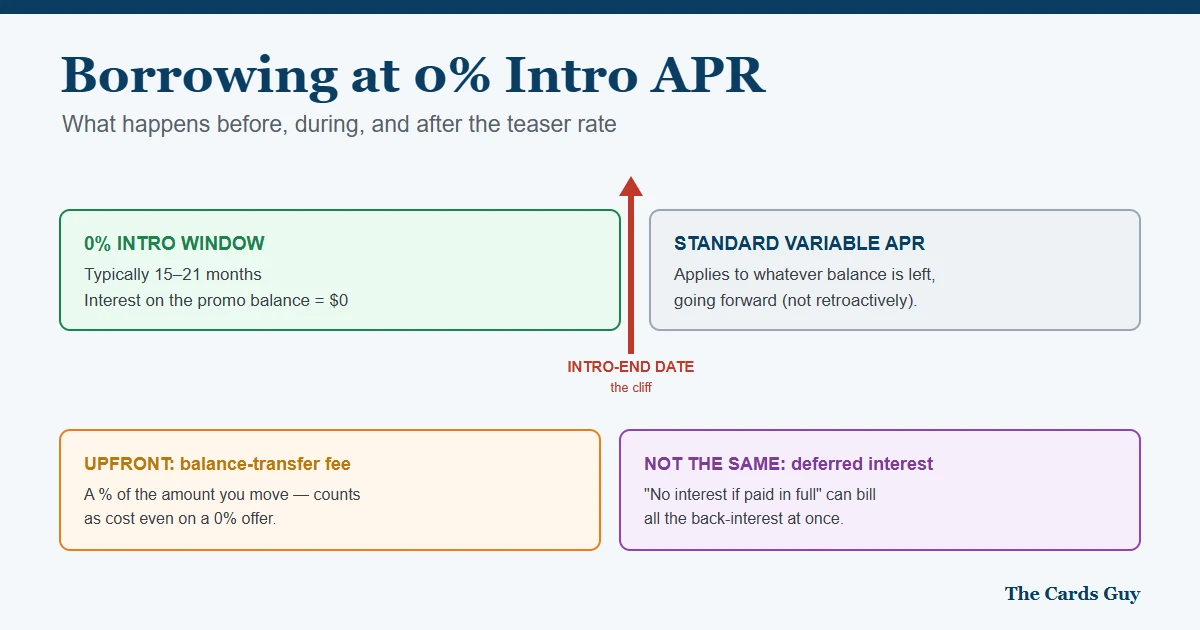
1. Transfer Balances to a 0% Intro APR Card
For those with good credit, balance transfer cards offer 12–21 months of interest-free payments. Pay down aggressively before the promo ends.
Recommended types:
- Citi Simplicity® Card – long 0% intro period, no late fees
- Chase Slate Edge® – 0% APR and potential rate reductions
- Wells Fargo Reflect® – up to 21 months 0% intro APR
(The Cards Guy overall pick: Citi Simplicity for its long window and no-penalty structure.)
2. Call and Negotiate Your APR
You’d be surprised how often it works. Issuers may lower your rate if you’ve been a long-time customer or have competing offers elsewhere.
3. Automate Payments to Avoid Penalties
Even one late payment can cost you a lower promotional rate. Auto-pay at least the minimum, and set reminders for full payments.
4. Consider a Debt Consolidation Loan
A fixed-rate personal loan can replace multiple cards with a single monthly payment—often at a lower interest rate. Compare rates before committing.
5. Use Rewards Wisely (or Pause Them)
If you’re carrying debt, rewards cards lose value fast. Switch temporarily to a low-interest or balance-transfer card until you’re debt-free.
Protecting Your Credit Going Forward
- Keep utilization under 30% (under 10% is ideal).
- Pay on time—always. Payment history is 35% of your score.
- Monitor your reports via AnnualCreditReport.com or your card’s free tools.
- Avoid new debt until balances shrink.
High APRs will eventually ease when the Fed lowers benchmark rates—but strong payment habits are your best defense right now.
The Cards Guy Takeaway
Today’s record credit card APRs and rising delinquencies are a wake-up call, not a death sentence. With the right mix of balance transfer strategy, 0% APR vs BNPL comparison, and consistent payment discipline, you can stop paying unnecessary interest and start regaining control of your financial future.
Bottom line: In 2025, carrying a balance is expensive—but being proactive is powerful.
FAQs
-
What’s considered a “high” credit card APR in 2025?
Anything above 20% APR is now typical—but “high” depends on your credit profile. Excellent credit should see offers closer to 17–19%. -
Why are rates still so high if inflation is cooling?
Banks are pricing in higher default risk as delinquencies climb. Until losses stabilize, APRs will stay elevated. -
Will delinquencies hurt everyone, even those paying on time?
Indirectly, yes. Lenders may raise rates or cut credit limits across their portfolios to offset risk. - What happens if I miss two payments?
You’ll likely face a penalty APR near 30%, late fees, and a credit score drop that can take months to repair. -
Is debt consolidation always a good idea?
Only if your new rate is lower and you avoid new card spending. Otherwise, you risk doubling your debt. -
What’s The Cards Guy’s best strategy for 2025?
Use a 0% intro APR balance-transfer card to buy time, then pay aggressively and track your utilization weekly.