Personalized Card Recommendations

Credit Cards

Chase Ultimate Rewards points

How to get the most value from you Chase Ultimate Rewards points

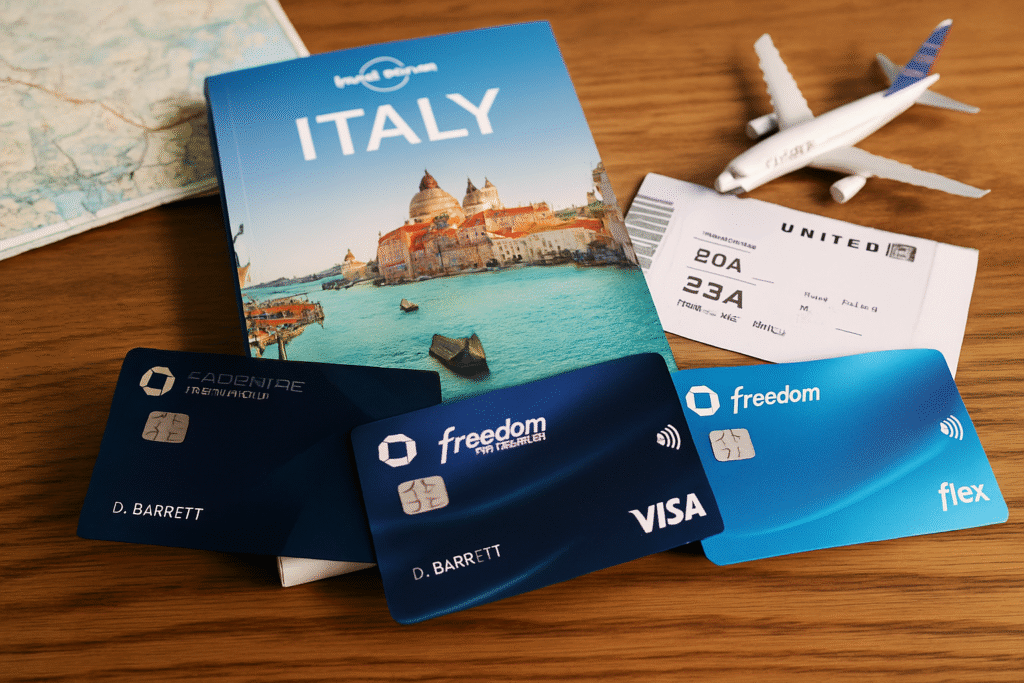
By-Jason Steele Chase Ultimate Rewards points are so valuable, that they may even live up to their name. Chase features several credit cards that offer Ultimate Rewards points, and these points can be redeemed in multiple ways. But how you choose to redeem your points will determine the value you receive from each point. Choose poorly, and you will only get one cent in value per point redeemed. But choose wisely, and you could find yourself realizing several times as much value, and enjoying luxury travel that you might not have been able to afford otherwise.  Which cards offer Chase Ultimate Rewards points? Among personal cards, the Chase Sapphire Preferred and Sapphire Reserve are marketed as offering Chase Ultimate Rewards points. And while the Chase Freedom Flex and Chase Freedom Unlimited are marketed as cash back cards, they actually offer Ultimate Rewards points that can be combined with your rewards from the Sapphire Preferred and Sapphire Reserve. Once combined, you’ll be able to do all the things you could do if you had earned the rewards from your Sapphire Preferred or Sapphire Reserve, including transferring your rewards to airline miles or hotel points.  Among business cards, the Chase Ink Business Unlimited and Sapphire Reserve Business feature Ultimate Rewards points. But just as with their Freedom cards, the Ink Cash and Ink Unlimited are marketed as cash back cards, but offer rewards that can be combined with points from the other Chase Ink and Sapphire cards.  How can you redeem Ultimate Rewards points? There are many ways to redeem Chase Ultimate Rewards points including: Redeeming for Amazon or PayPal purchases Cash back or statement credits, called Pay Yourself Back Gift cards Apple Store purchases Experiences Chase Travel  Point transfers Not all point redemptions are created equal To start off with, don’t ever redeem your points for Amazon or PayPal purchases. That’s because you’ll only receive 0.8 cents in value per point redeemed. That’s terrible considering that you could get 1.0 cents in value towards cash back or Pay Yourself Back statement credits. Just as good are gift cards, Apple Store purchases and experiences, which also offer one cent in value per point redeemed.  And frankly, if you were going to get just one cent in value per point redeemed, you might as well choose to redeem your points for cash back, and at least earn points from your purchases from Apple Store, or for gift cards or experiences.  Chase Travel  When it comes to purchases from Chase Travel, the value you receive will depend on the card you use to redeem the points. The Chase Freedom Flex, Freedom Unlimited, Ink Cash and Ink Unlimited all return just one cent in value per point redeemed. So a $500 ticket will cost 50,000 points.  However, the Sapphire Reserve (consumer and business) now feature something called Points Boost, which offers 2.0 cents in value on select hotels and flights with select airlines. The Sapphire Preferred and Ink Business Preferred cards offer Points Boost that returns up to 1.5 cents per point on select hotels and up to 1.75 cents per point on flights with select airlines. When you can use Points Boost, then you’ll find pretty good value from your points, but not the best.  The best way to redeem Chase Ultimate Rewards points.  Transferring rewards to airline miles or hotel points can offer ways to realize more than two cents in value per point redeemed. But it all depends on which transfer partners you use and how you redeem your rewards.  Redeeming rewards for hotel points  For example, if you transfer 15,000 Chase points to the World of Hyatt Program, and redeem those points for a hotel that costs $450 a night, then you’ll be receiving three cents in value per point redeemed, which is fantastic. Unfortunately, you’ll never receive that kind of value from Chase’s other hotel transfer partners, Marriott, IHG and Hilton, as their points are worth far less.  For example, it will frequently cost 40,000 to 80,000 points to redeem a similar award night stay using Marriott, IHG or Hilton points, leaving Hyatt as the best option for using points for hotel stays, in almost all cases. Furthermore, Hyatt won’t charge resort fees on award stays, unlike Marriott.  Redeeming rewards for airline miles Chase offers 10 different airline transfer partners: AerClub, loyalty program of Aer Lingus The British Airways Club Air France KLM – Flying Blue  Club Iberia Plus JetBlue TrueBlue  Singapore Airlines KrisFlyer  Southwest Airlines Rapid Rewards®  United MileagePlus® Virgin Atlantic Flying Club  Air Canada Aeroplan® When you can redeem your airline miles for expensive, last minute flights, or tickets in business or first class, then it’s possible to receive several cents in value per point redeemed. For example, both Iberia and Flying Blue (Air France and KLM) occasionally offer business class tickets to Europe for as little as 45,000 points, each way. Those tickets are worth at least $2,000, giving you a value of over four cents per point. Although not as spectacular, you can often find excellent returns by redeeming points from other programs such as United, Air Canada, Virgin Atlantic and British Airways. Even Southwest Airlines points are worth about 1.4 cents each, which is better than average.  But achieving these superior values requires some skill. You first have to look through the frequent flier programs to find awards that are available at the lowest levels. Once you find the awards you want, you’ll need to transfer your miles from Chase to the airline program, and quickly book your award tickets. It’s strongly recommended not to transfer miles speculatively, hoping to find the best award at a later date. By keeping your rewards with Chase, you’ll keep your options open for when the right opportunity presents itself.  Bottom line By carefully considering how to redeem your Chase Ultimate Rewards points, you can find the exceptional values that make having a Chase credit card extremely rewarding.  FAQS:  Is the Chase Sapphire Reserve worth the $795 annual fee?

How to get the most value from you Chase Ultimate Rewards points Read More »
Sapphire Reserve Worth The Annual Fee

Is the Sapphire Reserve Worth The Annual Fee

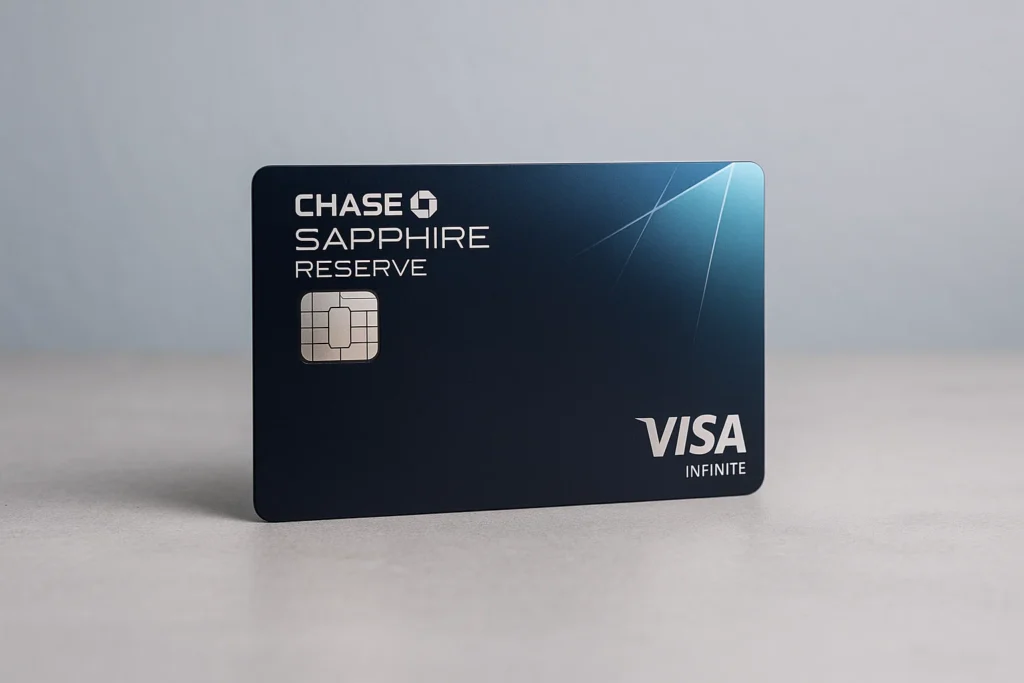
By-Jason Steele Recently, Chase announced that it was increasing the annual fee of its flagship Sapphire Reserve card from $550 to $795. Thankfully, the higher annual fee comes with increased benefits, but these new benefits may not be worth the additional fee for all users. Let’s take a look at what you now get for your money, and see if it’s right for you. Chase Sapphire Reserve new account bonus Currently, new applicants can earn 125,000 Ultimate Rewards points after spending $6,000 on new purchases within three months of account opening. These points are worth a minimum of one cent each, or $1,250 when redeemed for merchandise or gift cards, and two cents each, $2,500 total, when redeemed for travel booked through Chase using their new Points Boost option.  But these rewards are potentially worth much more when transferred to airline miles or hotel points, and redeemed for high-value reservations. When I’m able to transfer my Ultimate Rewards points to airline miles, and book international business class flights, I can often receive 2-4 cents in value per point redeemed, and fly in luxury in a way I could have never afforded otherwise.  Sapphire Reserve Rewards for Spending While this card has great benefits, as I’ll show later, it offers enough rewards for spending to make you want to use it over your other cards. It features an astounding 8x points for all purchases made through Chase Travel, which includes not just airfare, hotel and rental cars, but tours, transfers and cruises too. You also earn 4x points for flights and hotels booked directly with the provider. As before, you still earn 3x points on dining, but just one point per dollar spent on all other purchases.  Statement credits, AKA  “The Coupon Book” The big trend in credit cards right now is to raise the annual fee, while offering a variety of merchant specific statement credits, which is often compared to having a “coupon book.” As with a variety of new credits, the Chase Sapphire Reserve Goes all-in on this trend, starting with a $500 annual credit towards bookings in its collection of high-end hotels that it calls The Edit. Like many of these credits, you can’t use this $500 credit all at once – instead you get a credit of $250 every six months. You do get to use the $300 annual travel credit any time you want, Towards any travel purchase you make with your card. There’s also a $120 credit (every four years) towards a Global Entry, TSA PreCheck or NEXUS application fee.  Other credits include $250 a year towards subscriptions in AppleTV+ and Apple Music, $120 in annual statement credits towards Peloton, and $300 in credits towards StubHub purchases, doled out in $150 chunks, twice a year. Throw in 12 months of DoorDash DashPass membership, worth $120, and $10 a month if Lyft credits, and there you have it. Finally, there’s a $300 dining credit, issued as two, $150 credits twice a year towards restaurants in Sapphire Reserve Exclusive Tables.  I won’t insult your intelligence by adding up the “value” of all of these credits, and claiming it all as actual savings. You simply have to estimate their realistic value to you. For example, I can easily use the $300 travel credit, but it’s unlikely that I would have spent money on much, if any of the other products. I might get an AppleTV subscription or occasionally use the Lyft credits and the StubHub credit for a concert ticket. And I could try the dining credits, but my hunch is that these $150 credits will barely cover half my meal in a very high-end restaurant. So it’s hard for me to value these discounts much over $500, but your take may be different.  Looking for Other Premium Credit Cards? Not sure if the Sapphire Reserve’s perks are worth it? Compare it with other Premium Benefits Credit Cards that offer luxury travel perks, airport lounge access, and more—sometimes with a lower annual fee. Explore Premium Cards Now. Airport lounge benefits This perk is often what separates the premium cards for the rest of the pack, and the Sapphire Reserve does well here. It offers a Priority Pass Select membership, which is valid for access to over 1,300 lounges around the world, as well as a handful of Sapphire lounges in cities like, Boston, New York (JFK and LGA), Philadelphia, Phoenix, San Diego and Hong Kong, with new locations expected to open in Dallas, Las Vegas and Los Angeles. Plus, you also get access to Air Canada Maple Leaf Lounges and Air Canada Cafés in the U.S., Canada and Europe with an eligible boarding pass. Travel protection and purchase coverage Simply put, the Sapphire Reserve comes with the best cardholder benefits for travel insurance and purchase protection. I could write a whole article on how great this coverage is, but one highlight includes trip delay coverage of up to $500 that takes effect with a mere six hour delay or an overnight stay. I’ve used this before when my family had a flight out of Paris cancelled, and we were able to get all of our hotel rooms and meal costs reimbursed by Chase. Other highlights include auto rental, baggage delay, lost luggage and trip cancellation. But the really amazing things are $2,500 of emergency medical and dental insurance, $100,000 of emergency evacuation and transportation coverage and four paid roadside assistance services a year, which you can’t get in any other card. I’ve used this numerous times to tow my car when I got a flat or another mechanical issue.  Who should get the Sapphire Reserve? This is a card for frequent travelers who love Chase Ultimate Rewards points. The chance to earn 8x points on travel booked through Chase is incredible, especially if you’re in a position to book travel that’s reimbursed by your company or clients. The $300 travel credit easily brings the net cost of the $795 annual fee down to under $500, and you

Is the Sapphire Reserve Worth The Annual Fee Read More »

Common Credit Rebuilding Mistakes to Avoid

Common Mistakes to Avoid When Rebuilding Credit

Rebuilding credit isn’t a single decision — it’s a string of small, consistent ones. Get most of them right and your score climbs steadily. Get a few wrong and you can spend months undoing damage that took weeks to create. The mistakes below are the ones I see most often when someone tells me their score “just won’t move.” None of them are catastrophic on their own. The problem is that they compound. Before diving in, it helps to know what’s actually being scored. FICO weights your credit profile roughly like this: 35% payment history, 30% amounts owed (utilization), 15% length of credit history, 10% credit mix, and 10% new credit. Every mistake below maps to one of those buckets — which is why even “small” missteps move the needle more than people expect. 1. Missing or Making Late Payments This is the single biggest mistake. Payment history is 35% of your score, and a single 30-day late mark can drop a fair-credit profile by 60–100 points. Worse, late marks sit on your report for up to seven years. What to do instead: Set autopay for at least the minimum on every account, every month. Even if you plan to pay in full manually, the autopay safety net keeps a forgotten due date from torching your progress. Calendar reminders are good; autopay is better. 2. Maxing Out Your Credit Cards Utilization — the ratio of your balance to your credit limit — is 30% of your score. Going over 30% on a single card hurts; going over 50% hurts a lot more; running anywhere near the limit hurts severely. And it doesn’t matter that you pay it off at month-end. Most issuers report your statement balance, not your post-payment balance. What to do instead: Aim to keep reported utilization under 10% per card if you’re actively rebuilding. The simplest tactic: make a mid-cycle payment before your statement closes so the balance reported to the bureaus is small. 3. Applying for Too Much Credit at Once Each application typically triggers a hard inquiry, and hard inquiries shave a few points each. More importantly, a flurry of applications looks risky to issuers — it suggests you’re short on cash and casting a wide net. Some issuers (Chase’s well-known 5/24 rule, for example) will auto-decline you on that signal alone. What to do instead: Space applications at least 90 days apart while you’re rebuilding, and pre-qualify whenever the issuer offers it (pre-qualification uses a soft pull and doesn’t ding your score). 4. Closing Old Credit Accounts Closing an old card feels like progress — one less account to manage — but it usually backfires. Closing a card shortens your average age of accounts (15% of your score) and shrinks your total available credit, which spikes your utilization ratio overnight. If you’ve been rebuilding for a year and you close your oldest card, you can lose half a year of progress in a single afternoon. What to do instead: Keep old no-fee accounts open and active with a tiny recurring charge (a streaming subscription works). If a card has an annual fee you can’t justify, ask the issuer to downgrade it to a no-fee version — same account number, same age, no closure. For more on this, see our guide to upgrading from a secured to an unsecured card. 5. Ignoring Credit Report Errors Errors are more common than people realize — duplicate accounts, balances that never updated after a payoff, accounts that aren’t even yours. Each error you let sit is a brick in the wall keeping your score down. You’re entitled to free weekly reports from all three bureaus at AnnualCreditReport.com. What to do instead: Pull all three reports, scan for anything that looks wrong, and dispute online with the bureau directly. The Fair Credit Reporting Act gives bureaus a window of roughly 30 days (often 45 in complex cases) to investigate and respond — and if they can’t verify the item, it has to come off. 6. Not Having a Mix of Credit Credit mix is 10% of your score — small, but not nothing. Lenders want to see that you can handle different kinds of credit: revolving (cards) and installment (loans). If your only credit is a single secured card, your mix is thin and your score will eventually plateau. What to do instead: A credit-builder loan from a credit union or a fintech like Self adds an installment account to your file without requiring you to actually borrow money up front. Don’t open a loan you don’t need just to game the mix — but if you’re shopping for a small loan anyway, time it for when you want the mix bump. 7. Only Paying the Minimum Paying the minimum on time protects your payment history, but it leaves a high balance reporting every month — which keeps your utilization elevated. You also pay enormous amounts of interest. The minimum-payment trap is one of the easiest ways to stall a rebuild for years. What to do instead: Pay the statement in full whenever you can. If you can’t, pay more than the minimum, and target the card with the highest utilization ratio first (not necessarily the highest APR — utilization moves your score faster than interest savings move your wallet during a rebuild). 8. Avoiding Credit Entirely It’s tempting after a credit disaster to swear off cards forever. But credit invisibility hurts you too — a thin file with no active accounts is nearly as hard to underwrite as a damaged one. You can’t rebuild a score without active, on-time credit activity. What to do instead: If you don’t qualify for a regular card yet, a secured card is the standard entry point. The deposit equals your credit limit, the issuer reports to all three bureaus, and many secured cards graduate to unsecured after consistent on-time payments. For details on score requirements, see our breakdown of the credit score needed for a secured card. 9. Losing Patience Credit

Common Mistakes to Avoid When Rebuilding Credit Read More »

Best Starter Credit Cards with No Annual Fee

Best Starter Credit Cards with No Annual Fee for Fair Credit

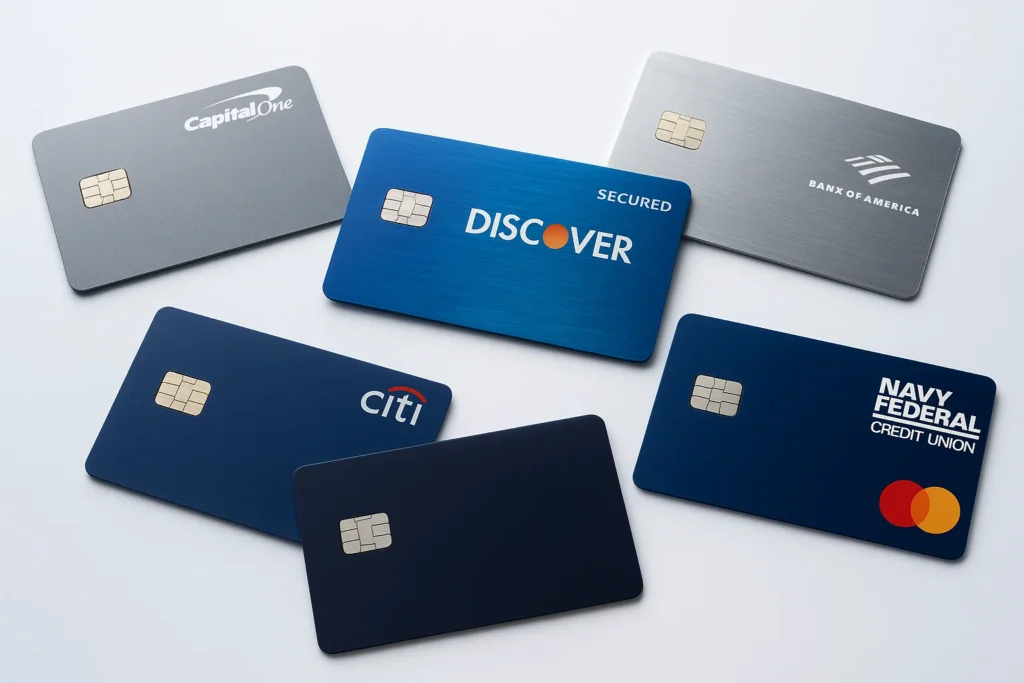
Getting your first credit card can feel overwhelming, especially if your credit score falls in the fair range (580–669). Choosing the right starter card can help you build credit responsibly, enjoy rewards, and avoid unnecessary fees. In this guide, we’ll cover the best no-annual-fee options for fair credit, including both secured and unsecured cards, and share tips to make the most of your first card. Top No-Annual-Fee Cards for Fair Credit 1. Unsecured Cards Focused on Cash Back & Easy Approval These cards don’t require a security deposit and are ideal if you want rewards without upfront costs. Petal® 2 Visa® Credit Card Perfect for beginners, this card offers cash back on eligible purchases, with higher rewards for consistent on-time payments. No annual fee makes it beginner-friendly. Citi® Double Cash Card Earn a flat 2% cash back on all purchases and 5% back on travel booked through Citi. A solid option for those with fair credit looking for simple, straightforward rewards. Capital One QuicksilverOne Cash Rewards While it has a $39 annual fee, it provides cash back on all purchases and rewards on travel booked through Capital One. Worth considering if you want consistent rewards while building credit. Secured Cards for Building Credit Secured cards require a security deposit, which becomes your credit limit, but they’re excellent for building or rebuilding credit. Discover it® Secured Credit Card Earn cash back at gas stations and restaurants (on up to $1,000 spent quarterly) plus 1% on other purchases. No annual fee, and Discover matches all rewards earned in the first year. OpenSky® Plus Secured Visa® Credit Card No credit check required, $0 annual fee, and a flexible security deposit. Great for those with limited or poor credit. Bank of America® Customized Cash Rewards Secured Card Offers no annual fee and allows you to choose your preferred cash back category. Ideal for personalized rewards while building your credit history. Key Considerations When Choosing a Starter Card Interest Rates (APR): Cards for fair credit often carry higher APRs. Pay your balance in full each month to avoid interest charges. Security Deposits: Secured cards require a deposit, which sets your credit limit. Credit-Building Habits: Consistent on-time payments and low utilization are key to improving your score. Rewards vs Spending Habits: Pick a card aligned with your everyday spending, like groceries, gas, or online shopping. Tips to Maximize Your Starter Card Automate Payments – Avoid late fees and protect your credit score. Keep Utilization Low – Aim to use less than 30% of your available credit. Monitor Your Credit – Check your credit regularly for errors and progress. Gradually Upgrade – After 6–12 months of responsible use, consider upgrading to a card with better rewards or a higher limit. FAQ What is the easiest credit card to get with fair credit? A: Secured cards like OpenSky® Plus Secured Visa® often approve applicants with no credit check, making them the easiest way to start building credit. Can I earn rewards with fair credit? A: Yes! Cards like Petal® 2 Visa® and Citi® Double Cash offer cash back and perks even for fair credit. Do secured cards hurt my credit? A: No. When used responsibly, secured cards build your credit history and can lead to future unsecured credit opportunities. Conclusion Choosing the right starter credit card lays the foundation for long-term financial health. Compare no-annual-fee options, weigh rewards against your spending habits, and start building credit confidently today! Ready to get started? Explore the best starter credit cards now and take your first step toward better credit.

Best Starter Credit Cards with No Annual Fee for Fair Credit Read More »

Credit Score Is Needed for a Secured Credit Card?

What Credit Score Is Needed for a Secured Credit Card?

Hey, it’s Karl from The Cards Guy. Wondering if you can get a secured credit card? Here’s the truth: most secured cards don’t require a specific credit score, which makes them ideal if you’re building or rebuilding credit. Even with limited or poor credit, you can often qualify. Why Secured Credit Cards Are So Accessible Collateral Makes Approval Easier: Secured cards require a refundable security deposit, typically equal to your credit limit. This deposit reduces risk for the issuer and opens the door for applicants with low or no credit history. Build or Rebuild Your Credit: Every on-time payment on a secured card is reported to the major credit bureaus. Over time, this can raise your credit score. Some cards, like the OpenSky® Plus Secured Visa®, don’t even require a credit check. Minimum Requirements for a Secured Card Even without a specific credit score, you’ll need: Be 18+ years old Have a U.S. address and bank account A valid Social Security Number or ITIN Steady income to cover monthly payments A refundable security deposit How to Make the Most of Your Secured Credit Card Pay On Time Every Month: Late payments can hurt your credit, even on secured cards. Keep Your Credit Utilization Low: Ideally below 30% of your limit. Monitor Your Credit Score: Track progress to see your credit improve. Upgrade When Ready: Many secured cards allow you to transition to unsecured credit cards after responsible use. The Best Secured Credit Cards to Consider Discover it® Secured Card – No annual fee, reports to all 3 bureaus Capital One® Platinum Secured Card – Flexible deposit, potential credit line increase Bank of America® Secured Card – Access to FICO® score updates monthly Bottom Line Secured credit cards are your first step to building a stronger financial future. With responsible use, you can increase your credit score and unlock better cards and rewards. Ready to find the best secured card for you? Let’s get started with The Cards Guy today! FAQs What credit score do I need for a secured credit card? A: Great news—you often don’t need a specific credit score to get a secured credit card. Even if your credit is limited or poor, a refundable security deposit usually qualifies you for approval. Can I get a secured card with a 500 credit score? A: Yes! Many secured cards, like the Capital One® Platinum Secured Card, accept applicants with lower credit scores. Your deposit acts as collateral, making approval easier. How long does it take to build credit with a secured card? A: Typically, you can see credit score improvements in 3–6 months with consistent on-time payments and low credit utilization. The more responsible you are, the faster your score can grow. What is the easiest secured credit card to get? A: Cards like the OpenSky® Plus Secured Visa® and Capital One® Platinum Secured Card are popular for beginners. They require minimal credit history and report to all 3 major credit bureaus. Can a secured card be upgraded to an unsecured card? A: Absolutely. After responsible use, many issuers will transition your secured card to an unsecured card, returning your deposit and increasing your credit options. How much deposit do I need for a secured credit card? A: Most secured cards require a deposit equal to your credit limit, usually ranging from $200–$500. Some cards offer flexible deposit options depending on your credit profile. Are there secured credit cards with rewards? A: Yes! Some secured cards, like the Discover it® Secured Card, offer cash back rewards on purchases—so you can build credit and earn perks at the same time. Can I get a secured card if I’m not a U.S. citizen? A: Many issuers accept applicants with a valid ITIN instead of a Social Security Number. You’ll still need a U.S. address and bank account to qualify.

What Credit Score Is Needed for a Secured Credit Card? Read More »

Got a Credit Card After Bankruptcy

How to Get Approved for a Credit Card After Bankruptcy

I know firsthand how overwhelming it can feel to think about rebuilding your credit after a bankruptcy. I’ve been there, and I want to share my exact approach to getting approved for a credit card after bankruptcy, rebuilding your credit score, and regaining financial freedom. If you’re ready to take control of your credit, let’s dive in—and I’ll show you actionable steps you can start today. Wait Until Your Bankruptcy Is Fully Discharged The first step is timing. You cannot apply for new credit while your bankruptcy is active. Here’s what I learned: Chapter 7 Bankruptcy: Discharge usually happens within 4–6 months. Chapter 13 Bankruptcy: Discharge occurs after completing your 3–5 year repayment plan. Pro Tip: Once your bankruptcy is discharged, you can start applying for credit cards that help rebuild your credit. If you’re ready to see which credit cards post-bankruptcy are best for you, check out my recommended options here. Check Your Credit Report and Score Before you apply for a credit card, you need to know exactly where you stand. I always: Pull my free credit reports from Equifax, Experian, and TransUnion via AnnualCreditReport.com. Check that all discharged debts are listed as $0. Dispute any inaccuracies immediately. Why this matters: Credit card issuers want accurate reports. Mistakes can prevent approval even if you’re doing everything right. Start your credit check today and make sure your report is accurate—you can grab your free report [here]. Start With a Secured Credit Card This was a game-changer for me. Secured cards are perfect if your credit is low or limited after bankruptcy. Here’s how they work: You make a security deposit that typically becomes your credit limit. Many cards report to all three major credit bureaus. Some even offer rewards, like cashback. Examples I personally recommend: Discover it® Secured Credit Card Capital One Platinum Secured Credit Card OpenSky® Secured Visa® Credit Card Check out the best secured credit cards after bankruptcy to start rebuilding your score today. Become an Authorized User If you have a trusted friend or family member with good credit, ask to be added as an authorized user. Why it works: Their positive payment history can boost your credit score, and it’s an easy way to rebuild trust with lenders. Want tips on how to request authorized user status the right way? I’ve got a guide here. Explore Credit-Builder Loans Some credit unions and banks offer credit-builder loans designed to rebuild credit. Here’s the key: The lender holds the loan funds while you make monthly payments. Your on-time payments are reported to the credit bureaus. It’s a safe, structured way to prove your creditworthiness. Learn more about credit-builder loans after bankruptcy and see if you qualify here. Build an Emergency Fund Bankruptcy teaches you the value of financial stability. I started setting aside money for emergencies so I wouldn’t have to rely on credit cards for unexpected expenses. Tip: Even a small fund of $500–$1,000 can protect you from setbacks and help maintain responsible credit habits. Adopt Responsible Credit Habits Here’s what made the biggest difference for me: Pay on time every month – this is the #1 factor in rebuilding credit. Keep balances low – ideally under 10% of your credit limit. Use cards strategically – small, recurring expenses that you can pay off in full each month. I’ve created a simple credit rebuilding checklist you can use to track your habits every month. Grab it here. Be Patient and Monitor Your Progress Rebuilding credit after bankruptcy takes time. I check my credit reports and scores regularly to see improvement and spot areas to work on. Key takeaway: Consistency beats speed. Small, smart steps add up to big credit wins over time. CTA: Track your progress with my free post-bankruptcy credit tracking tool and watch your score climb [here]. Final Thoughts Bankruptcy isn’t the end of your financial story. With the right strategies, the right credit cards, and responsible habits, you can rebuild your credit score, regain financial control, and even qualify for premium rewards cards in the future. I’ve walked this path myself—and if I can do it, so can you. Ready to start rebuilding your credit today? Check out my top recommended credit cards after bankruptcy and take the first step. — Karl Brown FAQs   Can I get a credit card after bankruptcy? Yes! I’ve been through it myself. Once your bankruptcy is fully discharged, you can apply for secured cards, credit-builder loans, or even be added as an authorized user to start rebuilding your credit. It takes patience, but it’s absolutely achievable. How long should I wait to apply for a credit card after bankruptcy? The timeline depends on your bankruptcy type: Chapter 7: Usually 4–6 months after filing. Chapter 13: After completing your 3–5 year repayment plan. Pro tip: Make sure all discharged debts are reflected as $0 on your credit report before applying. What type of credit card is best after bankruptcy? I always recommend starting with a secured credit card. These cards require a security deposit but report to all three credit bureaus. Some even offer cashback rewards. Over time, you can graduate to an unsecured card once your score improves. How can being an authorized user help rebuild credit? If someone you trust has good credit, being added as an authorized user on their account can boost your score because their positive payment history is reported to the credit bureaus. It’s a quick way to start rebuilding trust with lenders. Are there alternatives to credit cards for rebuilding credit? Yes! Credit-builder loans are a fantastic alternative. The lender holds the funds while you make monthly payments, and your on-time payments are reported to credit bureaus—helping you improve your credit score systematically. How do I avoid scams or bad advice? Be cautious of credit repair companies promising quick fixes. They often can’t legally remove bankruptcy from your credit report and may lead to further financial issues. I recommend rebuilding credit the responsible way through secured cards, on-time payments,

How to Get Approved for a Credit Card After Bankruptcy Read More »

Upgrade from a Secured to an Unsecured Credit Card

How to Upgrade from a Secured to an Unsecured Credit Card

Graduating from a secured to an unsecured credit card is one of the clearest signals that your rebuild is working. The deposit comes back, the credit line usually stays (or grows), and you stop being tied to a card whose terms were designed for higher-risk applicants. The trick is knowing when to push for the upgrade — and which issuers do it on their own schedule versus yours. Demonstrate Responsible Credit Behavior Before any issuer will graduate you, they want to see six to twelve months of consistent, low-risk behavior on the secured account. The non-negotiables: Every payment on time, every cycle. A single 30-day late mark resets the clock. Reported utilization below 30% — ideally below 10%. Mid-cycle payments are your friend. No bounced auto-payments or returned items. Issuers see those internally even when the bureaus don’t. No requests for credit-line increases in the first 6 months. Asking too early signals impatience. Benefits of Upgrading from a Secured to an Unsecured Card Beyond getting your deposit back, an unsecured upgrade typically means a higher credit limit, the chance to earn rewards on a card that previously didn’t offer them, and — most importantly — a stronger profile when you apply for your next product. Many issuers convert in place, which means you keep the original account-opening date and continue building your length-of-history metric. Check Your Eligibility for an Upgrade Different issuers handle upgrades very differently. Some auto-review your account. Others require you to call. A few never upgrade secured cards at all — they graduate you by inviting you to apply for a separate unsecured product. Before you push, know which type you have. If you’re unsure whether your current score qualifies you for an upgrade or a fresh unsecured application, our breakdown of credit score requirements for secured cards covers what each issuer typically wants to see. Issuer-by-Issuer Upgrade Timeline The most common secured cards and how they handle graduation: Issuer / Card Graduation policy Typical timeline Discover It Secured Automatic monthly account review starting around month seven ~7 months for qualifying accounts Capital One Platinum Secured Account review at the six-month mark; some accounts graduate, others get a credit-line increase 6–12 months Bank of America Customized Cash Secured Periodic automatic reviews; graduation generally considered around the 12-month mark ~12 months Citi Secured Mastercard Reviewed periodically; Citi historically transitions qualifying secured accounts to an unsecured product 12–18 months Self Visa (Credit Builder) Eligibility for the Self Visa depends on the Credit Builder Account; no traditional secured-to-unsecured upgrade — separate product invitations Variable The timelines above are the publicly documented norms. Your actual mileage depends on your full credit profile, not just secured-account behavior — income changes, new derogatory marks elsewhere, and total debt load all factor in. Monitor Your Credit Regularly You’re entitled to free weekly reports from all three bureaus at AnnualCreditReport.com. Many issuers also offer free FICO or VantageScore tracking inside their app. Use both. Bureau reports show you what lenders see; issuer-app scores show you trend lines week to week. If your score has lifted into the upper 600s and your secured card has been clean for six-plus months, you’re inside the eligibility window for most upgrades and for a separate unsecured application. Explore Other Options If Needed If your current issuer won’t graduate you on a reasonable timeline — or doesn’t graduate at all — you don’t have to wait forever. Two reasonable alternatives: Apply for a separate unsecured starter card at a different issuer. Capital One Quicksilver, Discover It Cash Back (the unsecured version), and Chase Freedom Rise are common next steps. If you’re a student, our guide to secured vs. unsecured student cards covers the right next move. Keep the secured card open after you get the new unsecured one. Closing it shrinks your average account age and cuts your total available credit. Leave it open with a tiny recurring charge until you’re sure you don’t need the account-age padding. Important Considerations Before Upgrading A few things people don’t realize until after they pull the trigger: Your deposit returns on the issuer’s timeline, not yours. Most refund 1–2 statement cycles after the upgrade clears. Some hold it longer if there’s a recent balance. The account-opening date usually stays the same. Conversion-in-place graduation preserves your length-of-history. A separate new card resets it. This matters more than people think — it’s 15% of your score. Upgrade does not equal credit-limit increase. Some issuers raise the limit at upgrade; others don’t. Ask explicitly if it matters to you. Don’t stack new applications on top of the upgrade. Even an automatic upgrade can trigger a soft or hard pull. Wait 60–90 days before any other application. And before you upgrade, make sure you’re not about to undo the work that got you here. Our list of common mistakes to avoid when rebuilding credit covers the traps that hit people right at the graduation moment. Karl’s Take — When to Push vs. When to Wait My default advice: if your issuer auto-reviews (Discover, Capital One), let the review run its course and don’t call. Calling rarely accelerates things and sometimes flags your file for closer scrutiny. If your issuer doesn’t auto-review (Citi historically required customer contact), wait until you’ve cleared month nine of clean behavior and then call once — not three times. And if your issuer doesn’t graduate at all, stop waiting at month twelve and apply elsewhere. Loyalty to a starter card past its useful life is a quiet way to stall a rebuild. Frequently Asked Questions (FAQ) How long does it take to upgrade from a secured to an unsecured credit card? Most issuers consider graduation between six and twelve months of clean behavior. Discover is the fastest at roughly seven months; Bank of America and Citi sit closer to twelve to eighteen. Can I upgrade if my credit score is low? The score matters less than the trend. If your score is rising and your secured-account behavior is clean, most issuers will

How to Upgrade from a Secured to an Unsecured Credit Card Read More »

Airbnb vs. Hotels: Best Travel Cards to Maximize Rewards

Airbnb vs. Hotels: Best Travel Cards to Maximize Rewards

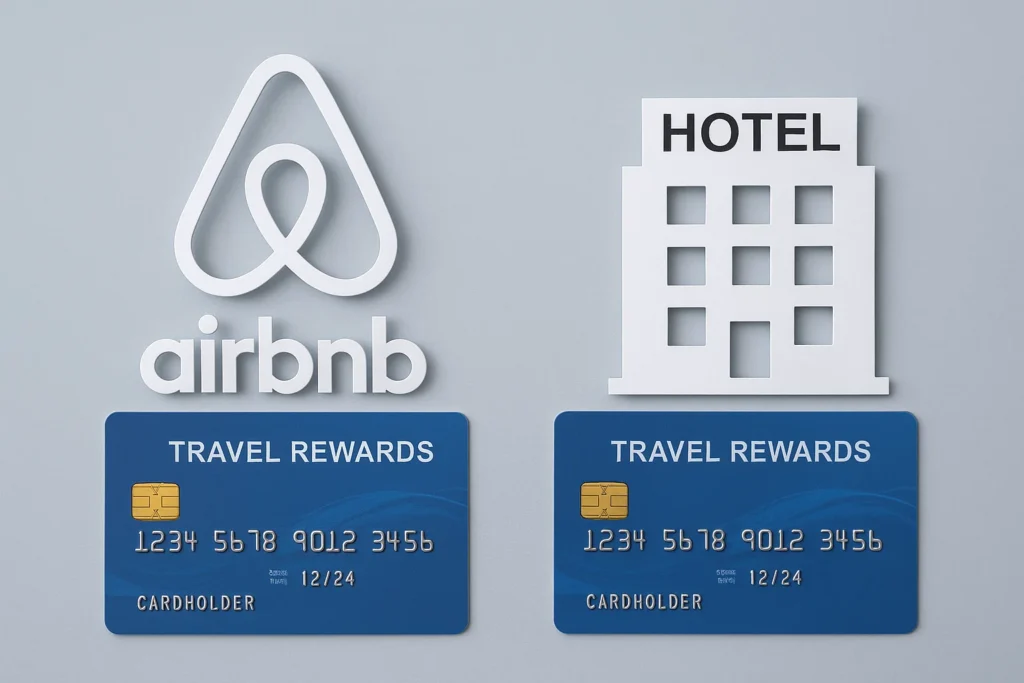
Booking travel accommodations often comes with the question: Airbnb or hotel? While hotels provide consistency, services, and loyalty perks, Airbnb often offers unique local experiences, more space, and sometimes better pricing for longer stays. But beyond the stay itself, the travel credit card you use can significantly affect your rewards and travel benefits. Choosing the right card can maximize your points, miles, and statement credits whether you book an Airbnb or a hotel. This guide will break down which cards perform best for Airbnb bookings versus hotel stays, explain how to maximize rewards, and help you choose the ideal card based on your travel style. Why Your Travel Card Matters Not all travel credit cards are created equal. Some reward hotel stays specifically, often with co-branded cards offering perks like free nights or upgrades. Others reward general travel purchases, making them more flexible for Airbnb or vacation rental bookings. Using the right card can mean: Free or discounted stays using points or miles. Statement credits for travel purchases. Bonus points for specific spending categories, like travel or dining. Added travel protections and insurance. Choosing strategically ensures your money and rewards go further, whether you prefer a cozy Airbnb or a luxury hotel experience. Airbnb: Best Cards for Flexible Travel Rewards Airbnb doesn’t have its own loyalty program. That means general travel rewards or cash-back cards usually perform best. 1. Capital One Venture Rewards Credit Card Rewards: 2x miles on all purchases. Why it works for Airbnb: Points can be redeemed for Airbnb bookings as statement credits, giving flexibility across destinations. 2. Chase Sapphire Preferred® Rewards: 2x points on travel and dining. Perks: Travel protections, flexible redemption through Chase Ultimate Rewards. Benefit for Airbnb: Since Airbnb counts as a travel purchase, you earn bonus points and can redeem for statement credits or transfer points to partners. 3. Citi Custom Cash Card Rewards: 5% cash back on your highest spending category each month (often travel or dining). Airbnb benefit: Maximizes cashback on rental spending for longer stays or group trips. Key Benefits of Using Airbnb with Travel Cards Flexible Redemption Options: Cards like Capital One Venture allow you to cover Airbnb purchases directly with points. No Loyalty Limitations: Unlike hotel cards, you aren’t restricted to one chain. You can book anywhere Airbnb is available. Bonus Categories: Many cards offer extra points on travel, dining, or online subscriptions, which can include Airbnb experiences. Hotel Stays: Co-Branded Cards Shine Hotels often reward loyalty, so co-branded cards like Hilton, Marriott, or Hyatt credit cards provide the best perks. 1. Hilton Honors American Express Aspire Perks: Free weekend nights, elite status, resort credits, and bonus points on Hilton stays. Why it works: Maximizes rewards if you frequently book Hilton properties. 2. World of Hyatt Credit Card Perks: Up to 4x points on Hyatt stays, automatic elite nights, and free night certificates. Benefit: Rewards stacking for frequent travelers within the Hyatt ecosystem. 3. IHG Rewards Club Premier Card Perks: Bonus points on IHG hotels, anniversary free night, and no foreign transaction fees. Benefit: Ideal for business trips or chain hotel stays. Key Advantages of Hotel-Specific Cards Elite Perks: Free upgrades, late checkout, and bonus points. Sign-Up Bonuses: Many hotel cards offer high-value points for new members, which can cover multiple nights. Consistent Service: Unlike Airbnb, you can count on standard amenities and predictable experiences. Airbnb vs. Hotels: Which Card Fits Your Travel Style? The best travel card depends on how you like to travel: For Flexibility & Unique Experiences: Airbnb + general travel rewards cards. You can book anywhere, anytime, without being restricted to a hotel chain. For Luxury, Loyalty, and Consistency: Hotel co-branded cards. Earn elite perks, free nights, and enjoy standardized services. Comparing Costs: Airbnb vs. Hotel While Airbnb can sometimes be cheaper for large groups or longer stays, hotels may provide better value for short trips or business travel. Airbnb: Discounts for weekly/monthly bookings, full kitchens, and multiple bedrooms. Hotels: Loyalty points, free breakfasts, on-site amenities, and flexible cancellation policies. Tip: Check if your travel card offers bonus points or statement credits for booking type. Some general travel cards give the same rewards for either, while co-branded cards optimize one category. Maximizing Rewards Regardless of Accommodation No matter where you stay, here’s how to maximize travel rewards: Use Cards Strategically: Book Airbnb with a flexible travel card, hotels with co-branded cards. Stack Benefits: Combine points from your card with loyalty programs for extra value. Leverage Statement Credits: Many travel cards reimburse incidental travel fees, including Airbnb charges. Check Promotions: Some cards offer seasonal bonus points or higher multipliers on travel spending. Real-Life Scenarios Solo Traveler: Prefer Airbnb? Use Capital One Venture for flexible redemption and cashback. Business Trip: Frequent hotel stays? Use a co-branded hotel card to earn elite perks and free nights. Family Vacation: Large group booking at Airbnb? A card with high cashback or travel points can help offset costs. Frequent International Traveler: Use cards that maximize travel points and offer statement credits to make trips seamless. Tips for Students or First-Time Travelers If you’re new to travel rewards or just starting to build credit: Consider no-annual-fee general travel cards for Airbnb bookings. Look for cards with sign-up bonuses for free nights or bonus points. Track which bookings count as travel for bonus points. Airbnb is generally coded as a travel purchase. Redeem points wisely—either as statement credits, transfers to hotel partners, or future travel. Final Thoughts Choosing between Airbnb and hotel stays doesn’t have to be a tough decision—your travel card can tip the scales. For flexible experiences, Airbnb with a general travel rewards card works best. For luxury, consistency, or loyalty perks, hotel co-branded cards often deliver the highest value. By matching your travel habits with the right credit card, you can earn more points, enjoy perks, and even save money on bookings—turning every trip into a rewarding experience. CTA: Ready to book your next stay with maximum rewards? Compare the best travel cards for Airbnb and hotel bookings

Airbnb vs. Hotels: Best Travel Cards to Maximize Rewards Read More »

7 Travel Cards Offering TSA PreCheck or Global Entry

7 Travel Cards Offering TSA PreCheck or Global Entry Credit

Airport security can be one of the biggest headaches for travelers, whether you’re flying domestically or returning from an international trip. Waiting in long lines, removing shoes, and pulling out laptops or liquids can eat up valuable travel time. Fortunately, many travel credit cards now offer statement credits for TSA PreCheck or Global Entry, helping you save on fees while speeding through airport security. In this guide, we’ll explore 7 top travel credit cards that reimburse your TSA PreCheck or Global Entry fees, the perks each card offers, and tips to decide which program fits your travel style best. What is TSA PreCheck vs. Global Entry? Before diving into the cards, it’s important to understand the difference: TSA PreCheck: Designed for domestic travel security. You get a dedicated line, keep your shoes and belt on, and don’t have to remove laptops or liquids. The fee is $85 for a 5-year membership. Global Entry: Ideal for international travelers. It includes TSA PreCheck benefits and allows faster U.S. re-entry through customs. The application fee is $120 for 5 years. Pro Tip: If you travel internationally frequently, Global Entry is often the better choice because it includes TSA PreCheck automatically. The Platinum Card® from American Express TSA/Global Entry Credit: Up to $100 statement credit every 4–5 years. Annual Fee: $695 (2025) Additional Perks: Airport lounge access, travel insurance, concierge service. The Platinum Card® is perfect for frequent flyers who value luxury and convenience. Beyond TSA PreCheck and Global Entry fee coverage, you get access to Priority Pass lounges worldwide, travel protections, and personalized concierge services. Chase Sapphire Reserve® Credit: Up to $100 statement credit for Global Entry, TSA PreCheck, or NEXUS every four years. Annual Fee: $550 Extra Benefits: 3x points on travel, luxury hotel perks, Priority Pass lounges. Chase Sapphire Reserve® is ideal for travelers seeking high rewards points and smooth airport entry. Combining travel credits with points strategies can maximize your travel rewards. Capital One Venture Rewards Credit Card Credit: Up to $100 TSA PreCheck or Global Entry reimbursement every four years. Annual Fee: $95 Other Perks: 2x miles on all purchases, flexible redemption options. The Venture Rewards card is a strong choice for travelers who prefer a flat-rate rewards program. Miles can be redeemed for flights, hotels, or transferred to partner loyalty programs. Capital One Venture X Rewards Credit Card Credit: TSA PreCheck or Global Entry reimbursement every four years. Annual Fee: $395 Extra Perks: 10,000 bonus miles annually, airport lounge access, travel insurance. For frequent flyers looking for premium perks at a lower annual fee than Amex Platinum, Venture X offers a combination of rewards and convenience, especially for airport security benefits. U.S. Bank Altitude® Connect Visa Signature® Card Credit: Covers TSA PreCheck or Global Entry application once every four years. Annual Fee: $0–$95 depending on version Additional Benefits: Mobile wallet bonus, travel insurance, no foreign transaction fees. This card suits budget-conscious travelers who want expedited airport entry without a high annual fee. A zero or low annual fee makes it perfect for students or travelers just starting to build their rewards portfolio. Delta SkyMiles® Platinum American Express Card Credit: Statement credit for TSA PreCheck or Global Entry every four years. Annual Fee: $250 Other Perks: Delta flight upgrades, Sky Club access, bonus miles. Delta flyers can save on security application fees while enjoying airline-specific perks. Pairing this card with frequent Delta travel maximizes both rewards and travel efficiency. United℠ Explorer Card Credit: Statement credit for TSA PreCheck, Global Entry, or NEXUS every four years. Annual Fee: $0–$95 depending on offers Other Perks: Free checked bag, priority boarding, travel insurance, and bonus miles. United travelers can combine TSA PreCheck or Global Entry benefits with airline-specific rewards to make both domestic and international travel more convenient and cost-effective. How to Choose the Right Card for You Frequency of Travel: Global Entry is better for international travelers, while TSA PreCheck is sufficient for domestic trips. Rewards Preference: Consider whether you prefer airline-specific rewards or flexible travel points. Annual Fee vs. Perks: Higher fees can be justified by premium perks such as lounge access, hotel credits, or concierge services. Application Timing: Some cards allow credits every four years, so plan your TSA PreCheck or Global Entry application accordingly. Maximize Your Travel Experience Using a travel credit card that reimburses TSA PreCheck or Global Entry fees can save money while providing speed, convenience, and peace of mind at the airport. Combining these benefits with rewards points strategies can make your flights more enjoyable and potentially more luxurious. Pro Tip: Pair your credit card benefits with loyalty programs and booking strategies to extract the most value from both miles and travel credits. Final Thoughts Airport security doesn’t have to be stressful. With the right travel card, you can breeze through TSA PreCheck or Global Entry lines while earning points, miles, and other perks that make traveling smarter and easier. Whether you’re a frequent domestic flyer or a jet-setting international traveler, one of these seven cards could simplify your next trip and save you hundreds in application fees. CTA: Ready to speed through airport security and maximize your travel perks? Compare these travel cards today and find the one that best fits your journey!   FAQs Which credit cards offer TSA PreCheck or Global Entry reimbursement? A: Many premium travel cards offer a statement credit for TSA PreCheck or Global Entry application fees. Examples include the Chase Sapphire Reserve®, American Express Platinum®, and Citi® / AAdvantage® Executive Card. How does TSA PreCheck or Global Entry credit work on credit cards? A: Once you pay the application fee with your eligible card, the issuer typically reimburses you up to $100 for Global Entry or $85 for TSA PreCheck. This benefit usually renews every 4–5 years depending on the program. Can I use one credit card for both TSA PreCheck and Global Entry fees? A: Yes, most cards that reimburse Global Entry also cover TSA PreCheck because a Global Entry membership includes TSA PreCheck eligibility. Are

7 Travel Cards Offering TSA PreCheck or Global Entry Credit Read More »

Top 5 Secured Credit Cards to Rebuild Your Credit

Top 5 Secured Credit Cards to Rebuild Your Credit

Rebuilding your credit can feel overwhelming, but secured credit cards are one of the easiest and most effective ways to regain financial footing. Unlike unsecured cards, secured credit cards require a refundable security deposit, which usually sets your credit limit. They report to all three major credit bureaus, helping you establish or rebuild a positive credit history. Here, we break down the top 5 secured credit cards for rebuilding credit in 2025, their benefits, and how to make the most of them. Discover it® Secured Credit Card The Discover it® Secured Credit Card is a standout choice for those looking to rebuild credit while earning rewards. Key Features: 2% cash back at gas stations and restaurants on up to $1,000 in combined purchases per quarter Unlimited 1% cash back on all other purchases Cash back matched at the end of the first year Minimum refundable deposit: $200 No annual fee Upgrade path to an unsecured card after 7 months of responsible use This card is ideal for those who want to start earning rewards immediately while rebuilding their credit. Responsible use, like paying your balance in full each month, maximizes the benefit. Capital One Platinum Secured Credit Card If you’re worried about qualifying with low credit, the Capital One Platinum Secured Credit Card is a great option. Key Features: Minimum security deposit: $49, $99, or $200 depending on your creditworthiness No annual or hidden fees Access to your credit score through Capital One CreditWise Potential credit limit increases in as little as six months without additional deposits This card is ideal for those seeking flexibility and the potential to increase their credit line quickly while rebuilding their score. Capital One Quicksilver Secured Cash Rewards Credit Card The Quicksilver Secured Card focuses on simplicity and straightforward cash back rewards. Key Features: 1.5% cash back on all purchases No annual fee Automatic consideration for unsecured upgrade in six months No foreign transaction fees Minimum refundable deposit: $200 This card works well for those who want a clean, flat-rate rewards program while steadily improving their credit history. Self – Credit Builder Account with Secured Visa® Credit Card For individuals starting from scratch or with limited credit history, the Self Credit Builder Card is a unique choice. Key Features: Linked to a Credit Builder Account that builds savings while securing your credit line No credit score required for approval $0 annual fee for the first year, then $25 annually Minimum deposit: $100 The Self card is perfect for those looking to combine saving with credit building. Each month, your payments contribute to your secured credit line and positive reporting to credit bureaus. OpenSky® Plus Secured Visa® Credit Card The OpenSky® Plus Secured Visa® Credit Card removes the barrier of a credit check entirely. Key Features: No credit check required for approval $0 annual fee Refundable deposit starts at $300 Reports to all three major credit bureaus This card is ideal if you’ve struggled with approvals in the past and want a straightforward route to rebuild credit. Important Considerations When Choosing a Secured Credit Card Security Deposits The deposit sets your credit limit and is refundable when you close the account or upgrade to an unsecured card. Make sure the required deposit aligns with your budget. Credit Reporting All the cards listed report to the major credit bureaus. Timely payments and responsible usage are critical to improving your credit score. APR and Fees Some secured cards have higher APRs. Always aim to pay your balance in full each month to avoid interest charges while maximizing credit-building benefits. How to Maximize Your Secured Card Benefits Pay on Time, Every Time: Late payments can harm your credit score instead of helping it. Keep Utilization Low: Aim to use no more than 30% of your credit limit at any time. Monitor Your Credit: Use free tools like CreditWise from Capital One to track your progress. Upgrade When Possible: Transitioning to an unsecured card is a sign of credit improvement and can further boost your score. Final Thoughts Secured credit cards are a proven and practical way to rebuild credit, offering opportunities to earn rewards, monitor your progress, and gradually qualify for better financial products. Whether you choose the Discover it® Secured, Capital One Platinum, or any of the other top options, responsible usage will set you on a path to stronger financial health. Ready to start rebuilding your credit? Compare these secured credit cards and choose the one that fits your goals today. FAQs What is a secured credit card? A secured credit card requires a refundable security deposit that typically becomes your credit limit. It’s designed to help individuals build or rebuild credit by reporting responsible use to all three major credit bureaus. How do secured credit cards help rebuild credit? By making on-time payments and keeping your credit utilization low, secured cards allow positive activity to be reported to credit bureaus, which can improve your credit score over time. What are the best secured credit cards for rebuilding credit? Some top options include: Discover it® Secured Credit Card – Earns cash back, no annual fee, and a path to upgrade to an unsecured card. Capital One Platinum Secured Credit Card – Low minimum deposit, reports to all credit bureaus, and potential credit limit increase. Capital One Quicksilver Secured Cash Rewards Credit Card – 1.5% cash back on purchases and upgrade potential. U.S. Bank Secured Visa® Card – No annual fee and access to monthly TransUnion credit score. Citi® Secured Mastercard® – No annual fee, free FICO® score access online. Can I earn rewards with a secured credit card? Yes, some secured cards offer cash back or points. For example, Discover it® Secured gives 2% cash back at gas stations and restaurants (up to a quarterly limit) and 1% on all other purchases. Do secured credit cards have annual fees? Many top secured cards have no annual fee, but it’s important to check each card’s terms. Some cards may charge fees, so consider whether the benefits

Top 5 Secured Credit Cards to Rebuild Your Credit Read More »

Pre-Qualify Soft pull · No credit impact