


2025 has been a major year for credit card regulation. From renewed fights over late fees and swipe fees to new attempts at capping interest rates, Washington is reshaping how credit cards work — and how you pay. Here’s what’s changing, what’s being debated, and what it all means for your wallet.
1. The $8 Late Fee Cap Is Gone (For Now)
Earlier this year, the Consumer Financial Protection Bureau (CFPB) rule that would have capped most credit card late fees at $8 was vacated by a Texas federal court. The decision reversed what many saw as one of the most consumer-friendly financial reforms of the decade.
That means banks can once again charge late fees closer to $25–$35 per incident, just like before the cap.
The Cards Guy Take:
If you’ve been relying on reminders or autopay buffers, this is your sign to double-check your setup. Late payments not only cost more now, but they also risk penalty APRs near 30% and a hit to your credit score.
2. The Sanders–Hawley 10% APR Cap Bill
In February 2025, Senators Bernie Sanders (I-VT) and Josh Hawley (R-MO) introduced S.381, a bipartisan bill to cap credit card interest rates at 10% for five years.
Their argument? With average credit card APRs now hovering around 22.6%, the current system amounts to “loan sharking for working families.”
The proposal builds on similar, previously failed efforts (Sanders’ 15% cap in 2019 and Hawley’s 18% proposal in 2023). But this time, it has broader public support — 77% of Americans favor a cap, even if it means smaller rewards.
Potential consumer impact:
- ✅ Lower interest payments: A $5,000 balance at 28% could cost over $11,000 in interest if paid by minimums; a 10% cap could save nearly $7,000.
- ⚠️ Reduced rewards: Issuers may offset revenue losses by scaling back travel points and cash back programs.
- ⚠️ Tighter credit access: Banks warn they may lend less to higher-risk borrowers, limiting new approvals.
The Cards Guy View:
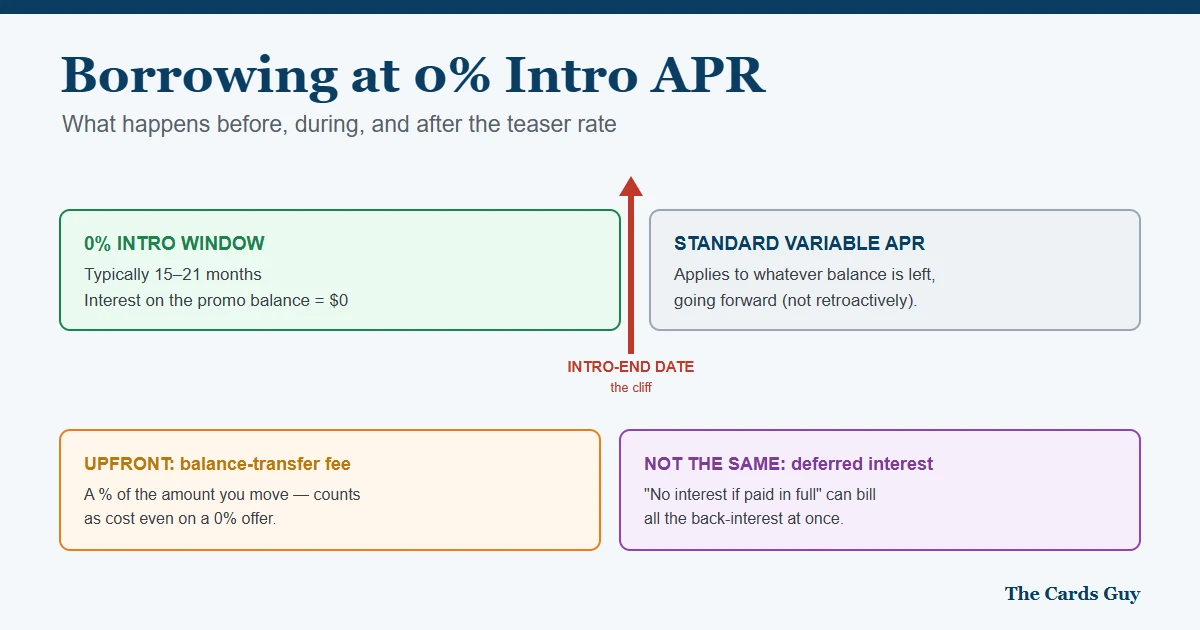
A 10% cap sounds great on paper, but expect fewer lucrative rewards and stricter approval standards if it passes. For now, consumers can still negotiate lower APRs directly or use 0% intro APR cards to manage debt without waiting for Congress.
3. The Credit Card Competition Act: Still in Play
Another major proposal — the Credit Card Competition Act (CCCA) — is still being debated. It would force large banks to offer at least two processing networks per card, ending the Visa–Mastercard duopoly and letting merchants pick cheaper networks.
Supporters say: Lower merchant fees could mean lower consumer prices.
Critics warn: It might gut rewards programs, since swipe fees fund cash back and travel perks.
Experts at NerdWallet note that even if passed, the effects wouldn’t be immediate — but card issuers are already modeling smaller bonuses, reduced airline partnerships, and new “status” perks like lounge access to stay competitive.
The Cards Guy Pick:
Stick with stable earners like:
- Citi Double Cash® – simple 2% back on everything
- Chase Freedom Unlimited® – consistent 1.5–5% categories
- Capital One SavorOne® – strong for dining and entertainment
4. State-Level Surcharge Rules Tighten
States including Kansas, Colorado, and Minnesota have revised surcharge transparency laws, requiring merchants to display credit card fees upfront (both in-store and online).
Meanwhile, Connecticut and Massachusetts still ban surcharges entirely. For consumers, this means you may notice an extra 2–3% “processing” line item more often — it’s legal, but must be clearly disclosed.
Tip:
If you’re paying with a rewards card, those points can offset surcharges. But for large purchases, debit or cash may be smarter.
5. CFPB Data Push: Public Transparency in 2025
The CFPB has also launched a new initiative to publish issuer-by-issuer comparisons of:
- Average APRs
- Typical late fees
- Average reward return values
This “open data” approach aims to pressure banks into fairer pricing — and help consumers see how their cards stack up.
The Cards Guy Perspective:
Expect more transparency tools — and potentially some public shaming of issuers with excessive rates. It’s a win for consumers who like to comparison-shop.
6. Medical Debt Reporting Rule Overturned
A separate CFPB effort to remove medical debt from credit reports was struck down in Texas earlier this year, halting a reform that would’ve lifted scores for millions.
Some states like California and Delaware are pushing ahead with their own medical debt protections, but the federal rule is paused.
7. What It All Means for Your Wallet
Between revived late fees, interest rate reform attempts, and swipe fee debates, credit card policy is in flux — and consumers are caught in the middle.
Here’s what The Cards Guy recommends right now:
0% APR vs BNPL for big purchases for balance transfers or big purchases while rates are high.
→ Try Citi Simplicity® or Wells Fargo Reflect®.
Lock in rewards early.
→ Apply for strong cards before potential reward cuts: Chase Sapphire Preferred®, Capital One SavorOne®, or Citi Custom Cash®.
Pay on time.
→ Late fees are back — and so are 30% penalty APRs.
Watch your credit score.
→ Regulation may shift access, but strong credit always keeps you ahead.
The Cards Guy Bottom Line
2025’s legislative moves show that Washington is paying attention to how much Americans pay in interest and fees — but the details matter.
Some of these changes could save you money; others could quietly shrink your rewards or credit access.
The best defense? Stay informed, keep balances low, and play the long game.
The Cards Guy Overall Pick for 2025:
- Best for Low APR: Citi Simplicity®
- Best for Rewards Stability: Chase Freedom Unlimited®
- Best for Everyday Use: Capital One SavorOne®
FAQs
-
Will the 10% APR cap actually happen?
It’s uncertain. The bill (S.381) is in committee, and both the banking lobby and federal regulators are divided. Even if passed, expect delays before implementation. -
Would capping rates make credit cards harder to get?
Likely. Banks may restrict lending or raise credit standards to protect margins. -
What’s the Credit Card Competition Act really about?
It’s a push to increase payment network competition — potentially lowering merchant costs but threatening rewards programs. -
Are late fees capped right now?
No. The $8 cap was struck down, and fees are back to pre-2024 levels (around $25–$35). -
Will these laws change how I use my card?
Day to day, no. But you may see fewer big welcome bonuses and more transparency around fees and surcharges.

















Comments are closed.